CPCB Report: High Fecal Coliform Levels Plague Prayagraj During Mahakumbh
NGT Asks Non-Compliance for Faecal Coliform Level in Ganga and Yamuna During Prayagraj Mahakumbh Mela
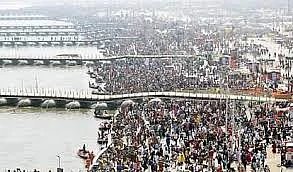
National Green Tribunal (NGT) raised serious issues regarding water quality at various locations in Prayagraj during ongoing Mahakumbh Mela, showing a violation of norms for the faecal coliform level in the Ganga and Yamuna rivers. In a report tabled by the Central Pollution Control Board (CPCB) on February 3, the rivers' water quality was deficient compared to the standard bathing requirement, and faecal coliform levels were of concern.
The report emphasized that the CPCB permits 2,500 units per 100 ml of faecal coliform as an indicator of sewage pollution. The faecal coliform levels, however, exceeded these marks in different monitoring sessions carried out in the waters of the Ganga and Yamuna in Prayagraj, casting a shadow of doubt on the safety of the bathers who were engaging in the religious practice.
The NGT bench consisting of Chairperson Justice Prakash Shrivastava, Judicial Member Justice Sudhir Agarwal, and Expert Member A Senthil Vel was conducting the case regarding prevention of sewage dumping in the Ganga and Yamuna rivers of Prayagraj. The tribunal's concern was also heightened as the CPCB reported that, while a large number of people bathe in the rivers during the Mahakumbh Mela, there has been no significant improvement in water quality, even on holy bathing days.
The CPCB report stated that the reason for high faecal coliform is directly due to sewage flow into the rivers, supplemented by the large attendance at the Mela. As millions of pilgrims take baths in the rivers during the Mela, the concentration of faecal contamination further enhances the risk to public health and the river environment.
The court also raised its objections against the Uttar Pradesh Pollution Control Board (UPPCB) in the report, observing that the state government had failed to adhere fully to its previous order to provide a detailed report of follow-up action on the topic. Instead of providing the detailed report requested, the UPPCB had submitted only a covering letter along with a couple of reports of water tests.
Upon reviewing the reports submitted by the UPPCB, the NGT recognized that water quality analysis tests were still producing excessive faecal coliform and total coliform in some parts of Prayagraj, which once again establishes that no measures are being implemented for remedying the persistence of the issue of contamination. The court elucidated that this defaulting on compliance by the UPPCB is hindering the effort towards safeguarding the rivers and public health while holding the Mahakumbh Mela.
As such, the court directed the UPPCB to submit its response within one day and directed the Member Secretary of the UPPCB as well as the responsible authorities concerned with maintaining the quality of the Ganga and Yamuna rivers in order to appear virtually before the next hearing date, that is, February 19.
The tribunal also asked these authorities to take action not to release the sewage and arrange a better scheme in position so that the rivers reach the norms of water standards during such religious festivals as Mahakumbh Mela. The authorities have been asked to take immediate steps not to continue pollution and implement better management for sewage in the region.
This issue has become a serious issue because the Mahakumbh Mela attracts millions of pilgrims every year, and water quality and safety become an issue of serious concern. The intervention of the NGT reflects the necessity to address pollution in the Ganga and Yamuna rivers and ensure the health and safety of the public in the event of such massive religious events.
Conclusion:The tribunal's action is part of its broader efforts to protect the environment and health of the nation, in particular in relation to the regulation of the quality of water in India's major rivers. The Ganga and Yamuna are symbolically significant, but also vitally important sources of water for millions of people, and conservation and pollution prevention a matter of national concern. The following hearing on February 19 will determine the next course of action and steps that need to be taken by the authorities to prevent the current pollution and improve water quality standards of the rivers during the ongoing Mahakumbh Mela.
Source: PTI, February 2025
What's Your Reaction?