


Residents in Indirapuram are facing a serious public health risk as sewage contamination of drinking water, caused by damaged and poorly planned pipelines, has led to waterborne illnesses and urgent calls for civic intervention.
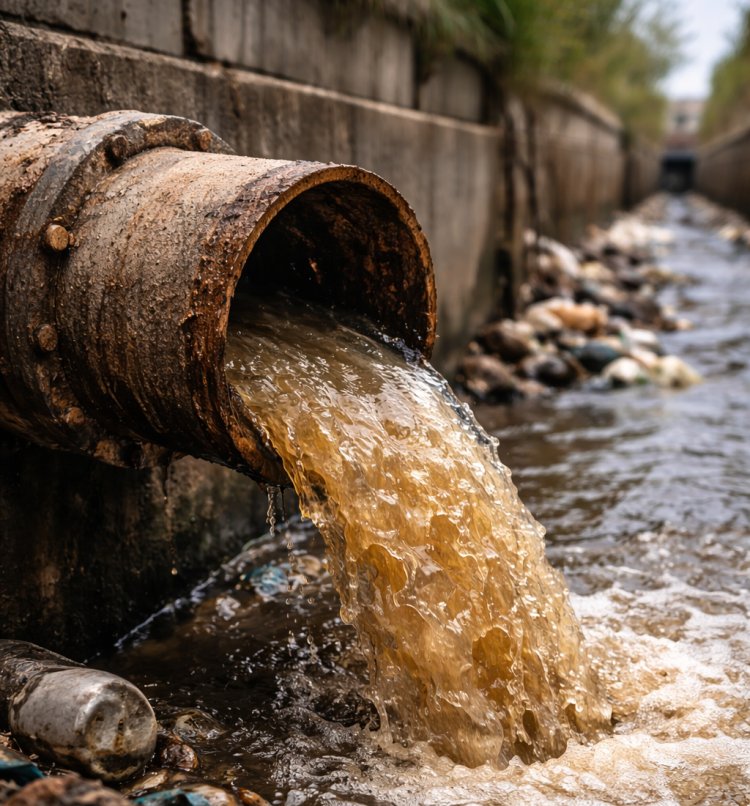
The residents of Indirapuram have raised some serious concerns about their water supply, which has been mixing with sewage water, as per a recent media report. Some houses have started getting discoloured water from their taps, which further smells of sewage, due to which it seems to have mingled with the drinking water supply.
According to professionals, recontamination usually happens when the distribution pipes for drinking water are installed close to sewers, which is a result of outdated urban planning. Even a slight perforation in sewage pipes may lead to sewage infiltrating the drinking water distribution system when water pressure goes low. This situation may arise when water is drawn from the distribution system.
In several reported incidents in Ghaziabad lately, residents have cited corroded water pipes and leakage in their underground sewerage system as being responsible for this situation. High water consumption, irregular water supply, and a drop in water pressure in the municipal water system are also suspected to have contributed to this problem of sewage draining into water faucets. As per reports in the media, a 52-year-old man and his family have already suffered health issues. Two members of the family were diagnosed with typhoid and jaundice due to contamination of the water.
Environmental engineers point out that it is not just a matter of maintenance but, in fact, a failure in system design and planning as well. With rapid urbanisation, unorganised construction, and multiple overlapping utility services in cities like Chennai, sewerage and drinking water pipes come close to each other in unsafe proximity. In such cases, even minor defects could result in large-scale contamination.
The mixing of sewage and drinking water poses a serious and direct threat to public health. Sewage contains harmful bacteria and germs that pose threats of waterborne diseases such as diarrhoeal infections, typhoid, hepatitis, and intestinal infections, among others. Health officials state that in most cases, the problem of contamination is only noted after a foul odour or a different scent in the water is observed, and in the process, the water has already been unsafe for several days.
Considering the complaints, the civic body in the affected zones of Ghaziabad has been appealed to inspect pipelines, locate the sources of the leaks, and segregate sewer and freshwater pipelines properly. It is further asserted that proper audits and quality tests need to be performed to avoid such events from recurring in the future.
What's Your Reaction?

















