SGS and Sami unveil UK platform to simplify carbon tracking and drive measurable decarbonisation outcomes
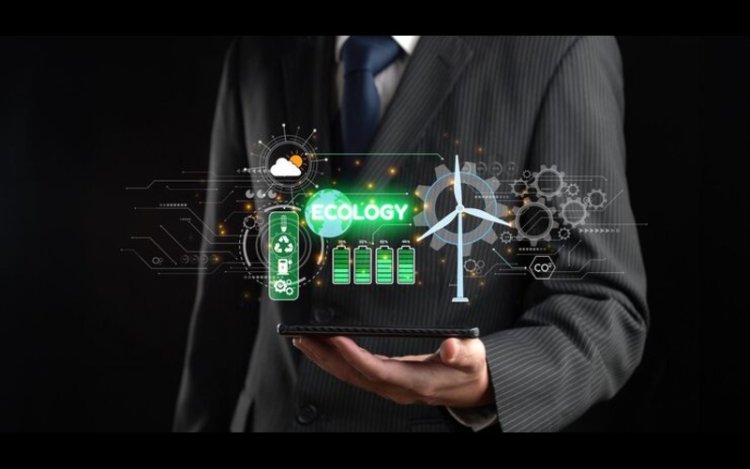
SGS and Sami Launch UK Decarbonisation Platform to Turn Carbon Data Into Action
London: In a significant move for climate-focused innovation, SGS and Sami have introduced a new decarbonisation platform in the UK. This platform aims to help organisations turn complex emissions data into meaningful business outcomes. It combines digital carbon tracking with years of sustainability expertise, allowing companies to improve reporting while implementing effective climate strategies. With the rising demand for carbon accounting, ESG reporting, decarbonisation strategies, and net-zero targets, this initiative arrives at a crucial time for businesses dealing with stricter regulations and investor scrutiny.
The UK market has become a key area for ESG transformation. There is growing pressure from regulators, investors, and supply chain partners for organisations to increase transparency and accountability. In this context, the new platform positions itself as a complete solution that goes beyond compliance. By integrating carbon accounting, ESG reporting, decarbonisation strategies, and sustainability platforms, it helps companies embed sustainability into their operations while delivering measurable financial and environmental value.
Addressing Fragmented Carbon Data and ESG Execution
A major challenge in corporate sustainability has been fragmented data systems and reliance on manual processes. These often limit the accuracy and usefulness of emissions reporting. The SGS-Sami platform tackles this issue by merging Sami’s carbon management software with SGS’s global advisory skills. This combined approach allows businesses to shift from disconnected datasets to a unified system that supports comprehensive carbon management.
From initial diagnostics and emissions measurement to action planning, performance tracking, and certification, the platform offers a full lifecycle solution. Automated data capture and detailed analytics enable organisations to find emissions hotspots and prioritise reduction efforts effectively. Importantly, the platform aligns with the Science Based Targets initiative (SBTi), ensuring that companies can set credible, science-based targets that meet international standards.
Laura Berns, Product Manager for the Climate Change Programme at SGS, emphasised the need for structured carbon management. She noted that this collaboration gives organisations better visibility of their emissions while aligning with recognised frameworks. This ultimately helps them turn sustainability reporting into practical actions.
From Compliance Burden to Strategic Advantage
For many organisations, carbon reporting has usually been seen as a compliance requirement rather than a source of value. However, the SGS-Sami platform aims to change this view by treating decarbonisation as a strategic business lever. By simplifying complex processes and offering actionable insights, the platform helps companies incorporate sustainability into their decision-making across operations and finance.
Tanguy Robert, Co-founder and Co-CEO of Sami, stated that the goal is to convert carbon management into a competitive advantage. He believes the platform empowers businesses to transition away from manual, fragmented systems toward a smarter and more impactful method that yields measurable results while aligning with broader business goals.
Currently, over 2,000 organisations across Europe are using Sami’s technology, which has already shown its ability to deliver real benefits. Beyond emissions reduction, companies using the platform have reported better cost efficiency, enhanced talent attraction, and increased customer loyalty—factors that are increasingly associated with strong sustainability performance.
Implications for Business Leaders and Investors
The launch highlights a broader change in how ESG is integrated into corporate strategy. For executives, carbon reporting is now a crucial part of financial disclosures, operational planning, and supply chain management. As regulatory frameworks tighten in the UK and globally, businesses face more pressure to provide accurate emissions data.
Large companies are also pushing sustainability requirements further down their value chain, creating additional demands on smaller suppliers. For small and medium-sized enterprises (SMEs), which often do not have dedicated sustainability teams, platforms like SGS-Sami provide a scalable solution to meet these demands without significant internal investment.
For investors, having access to standardised and reliable ESG data is becoming vital for assessing climate risk and finding opportunities. Companies that can show credible decarbonisation paths are better positioned to secure funding, meet procurement criteria, and maintain stakeholder trust.
A New Phase in ESG and Decarbonisation Infrastructure
The partnership between SGS and Sami represents a broader evolution in the ESG ecosystem, where traditional consulting services are increasingly combined with digital technologies. This shift allows for continual, data-driven insights instead of just periodic assessments, improving both transparency and accountability.
As carbon disclosure requirements increase across different jurisdictions, solutions that blend technical expertise with scalable platforms are expected to play a crucial role in the transition to net-zero economies. By connecting data collection with strategic execution, the SGS-Sami platform marks progress in making decarbonisation more accessible, measurable, and impactful.
Ultimately, the launch indicates a growing understanding that sustainability is no longer just a regulatory obligation; it is a key driver of long-term business resilience and competitiveness in a rapidly changing global economy.
What's Your Reaction?