SLB and NVIDIA have expanded their partnership to develop computing infrastructure and data systems for the energy sector as operators seek to manage growing volumes of operational data.
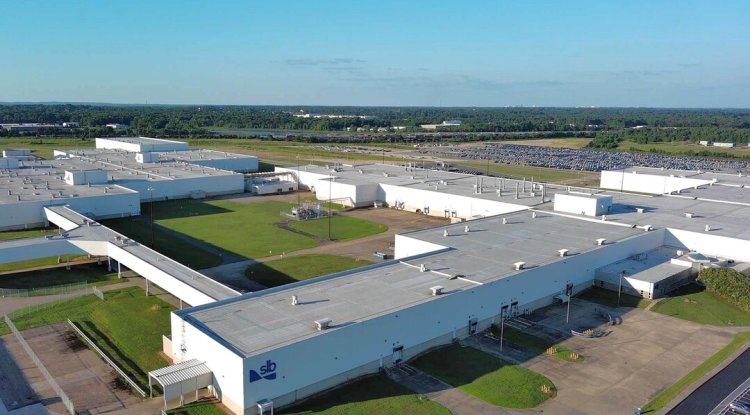
SLB and NVIDIA have expanded their partnership to develop computing infrastructure and data systems for the energy sector, as companies seek faster processing of operational and subsurface data.
The agreement includes the development of modular data centres, specialised computing systems and software tools designed for energy operations. The companies said the initiative is intended to support data analysis across exploration, drilling and production activities.
A central element of the collaboration is the planned launch of an “AI Factory for Energy”, which will combine SLB’s digital platforms with NVIDIA’s computing technology. The system is expected to process large datasets generated during energy operations and support technical decision-making.
SLB will also participate in the design of NVIDIA’s modular data centre architecture. According to the companies, the approach is intended to allow computing capacity to be added as operational requirements increase.
The expansion comes as energy companies handle rising volumes of geological, operational and engineering data. Increased use of digital tools across the sector has led to higher demand for computing capacity, particularly in activities involving field monitoring, reservoir analysis and infrastructure management.
The partnership builds on a relationship that began in 2008, when NVIDIA technology was first used in SLB’s subsurface imaging work. In 2024, the companies widened their cooperation to include generative artificial intelligence applications for the energy industry.
The latest agreement places greater emphasis on computing infrastructure and large-scale data processing rather than software applications alone. Industry analysts have noted that energy companies are increasing investment in digital systems to improve operational efficiency and manage increasingly complex datasets.
Recent statements from SLB indicate that digital technologies are expected to account for a larger share of future business activity as demand for data processing and automation continues to grow.
Neither company disclosed financial details of the expanded agreement.
What's Your Reaction?