South Korean researchers have developed a floating photocatalyst that turns PET plastic waste into clean hydrogen fuel using sunlight and water, offering a scalable solution for sustainable energy and pollution control.
South Korean researchers have invented a new photocatalytic system capable of transforming plastic waste into clean hydrogen fuel from the sun and water alone. The discovery, spearheaded by researchers at the Institute for Basic Science (IBS) Center for Nanoparticle Research at Seoul National University, offers an apparent solution to not one but two of the world's biggest issues — plastic waste and the hunt for eco-friendly sources of energy.
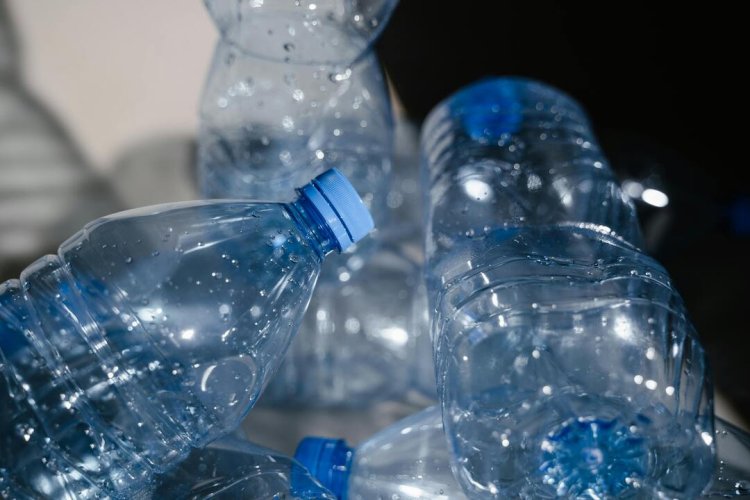
The scientists, under Professors Kim Dae-Hyeong and Hyeon Taeghwan, developed a floating photocatalyst that can be employed on water surfaces to break down plastic waste. It has the material of polyethylene terephthalate (PET), found in plastic bottles, as the feedstock and pulverizes it to generate hydrogen fuel. In contrast to other means of generating hydrogen, in which it relies on fossil fuels and carbon dioxide is emitted, carbon emissions are not released here.
Hydrogen is also being widely adopted as a major player in the transition to clean energy. The traditional production processes like methane steam reforming are energy costly and environmentally detrimental. Photocatalytic hydrogen evolution is a less harmful process but has until now been plagued by performance and durability issues. These were overcome by the South Korean researchers by confining their photocatalyst within a hydrogel polymer matrix. This design permits the catalyst to float, resist intense sunlight and chemical attack, and function at the water-air interface. This interface is necessary to optimize the gas separation and inhibit undesirable chemical reactions.
Not only does the new tech generate hydrogen gas but also it is able to dissolve PET plastic into useful products such as ethylene glycol and terephthalic acid, which are used extensively in industry. The catalyst was also attempted in different waters such as seawater, tap water and alkaline solutions. It was effective and stable for more than two months even with harsh chemical environments.
Exterior tests with a one-square-metre pilot model proved that the device worked to produce hydrogen fuel from PET bottle trash. Additional simulations indicate that the system can be expanded to 10 or 100 square metres, making it possible for commercial-industrial scale applications. This would also mean potentially low-cost and carbon-zero hydrogen production in actual applications.
This technology is a breakthrough in clean energy and plastic recycling. It offers a real live demonstration of converting common plastic waste into a usable form of energy without releasing carbon emissions. The field success of this process suggests the possibility of scaling up this process to be implemented on a commercial scale.
The breakthrough includes South Korea's increasing contribution to the development of clean technology and presents a vision of a future where by-products might be included in the fixed elements of sustainable energy systems. With continuous innovation, these technologies are able to become the pivotal actors in attempts to restrict environmental pollution and fight climate change globally.
Source: Originally reported by Nirmal Menon
Credit: Economic Times and Mart Production/Pexels
What's Your Reaction?