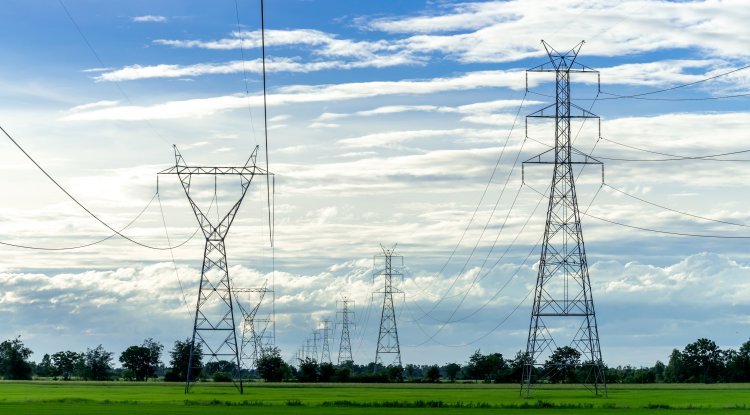
Nippon Steel teams up with Vestas to supply steel for wind towers, boosting Japan’s offshore wind ambitions.
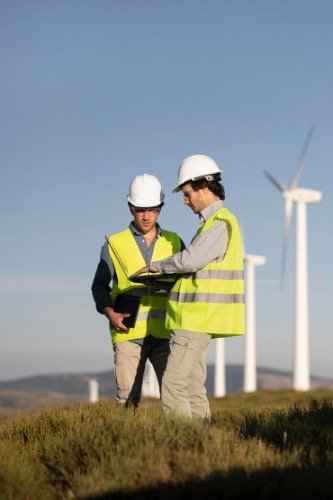
Nippon Steel has signed a cooperation memorandum with Denmark-based Vestas Wind Systems to supply steel for wind towers in Europe, Asia, and Japan, therefore furthering Japan's renewable energy goals. Announced by Japan's Ministry of Economy, Trade and Industry (METI), the arrangement marks a strategic move to localize the wind energy supply chain, lower dependency on imported fossil fuels, and strengthen offshore wind power infrastructure.
Particularly for offshore wind, which METI considers as a major cornerstone of the country's clean energy plan, the agreement is regarded as a milestone in Japan's efforts to grow its renewable energy industry. Working with a worldwide leader like Vestas helps Japan strengthen its local supply of materials required for wind energy infrastructure while supporting its goal of reaching 45 gigawatts (GW) of offshore wind power capacity by 2040.
A great reliance on fossil fuel imports has long hampered Japan's energy scene, vulnerability made more apparent by changing international energy markets and geopolitical tensions. Encouraging partnerships with worldwide renewable energy firms and including local industries into the supply chain, METI has taken an aggressive approach to solve this dependency. By guaranteeing a consistent supply of locally manufactured steel for wind turbines, lowering the nation's dependency on imported equipment and materials, the agreement between Nippon Steel and Vestas is intended to straight help toward this target.
Vestas already has many wind energy agreements in Japan and is working on the 375-megawatt offshore wind farm close the coast of Happo-Noshiro in Akita Prefecture. Eneos Corp, Iberdrola, and Tohoku Electric Power are heading this landmark project, among the biggest offshore wind projects Japan has seen thus far. Besides guaranteeing technical dependability, the participation of a worldwide famous company like Vestas boosts investor confidence in Japan's long-term offshore wind policy.
Part of a larger METI plan to strengthen ties with world leaders in wind power, the alliance with Nippon Steel helps to build on existing relationships. METI started a strategic partnership structure in June with Siemens Gamesa Renewable Energy, the wind energy division of Siemens Energy. Siemens Gamesa is collaborating with TDK, a Japanese electronics behemoth, as part of this arrangement to provide magnets for wind turbines—yet another vital component in the wind power value chain. These partnerships intend to promote technical exchange, local capacity building, and finally the development of a self-reliant and strong wind energy ecosystem in Japan.
Moreover, a comparable partnership framework has been created with U. S. -based GE Vernova, which spans not only wind energy but also hydrogen and ammonia technologies. These complementary clean energy industries are essential for Japan's overall decarbonization objectives as well as for the move to a sustainable energy mix.
Notwithstanding the policy momentum and strategic alliances, Japan's offshore wind industry has major obstacles. High prices, technical challenges, and procedural delays have slowed development. Though intended to speed development, government-led auctions have not always achieved their goals; the sector still fights rising raw material costs and logistical problems. Still, METI views the 2040 target as vital for both environmental sustainability and national energy security and remains dedicated to reaching it.
The recent agreement with Vestas is a big step forward in tackling these hurdles. By utilizing Nippon Steel's manufacturing capacity and Vestas' technical knowledge, Japan hopes to simplify project implementation, manage expenses, and increase effectiveness in the construction and operation of offshore wind farms.
Additionally, this partnership fits with Nippon Steel's more general sustainability strategy. In line with worldwide efforts to decarbonize the steel sector, the corporation said plans to introduce low-emission steel products starting next year. The intertwined nature of industrial decarbonization and renewable energy growth is shown by this synergy between steel output and clean energy installation.
Such public-private partnerships will become increasingly important as Japan aims to be a leader in the Asia-Pacific clean energy revolution. They not only help Japan's competitiveness in the expanding international green technology market but also promote national climate objectives. Japan is setting the stage for a future fueled by sustainable energy by means of a well-defined roadmap, a friendly policy environment, and strategic alliances like the one with Vestas.
What's Your Reaction?