


A new study has found that grasslands with greater plant diversity are better able to survive droughts, floods, and other extreme weather events linked to climate change.
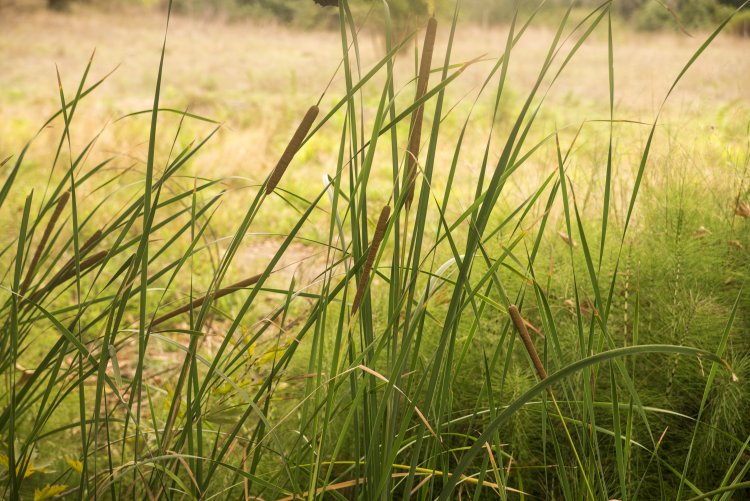
A new study has found that grasslands with a greater variety of plants are better able to handle extreme weather caused by climate change, such as droughts, floods, and heavy rainfall.
Data used for analysis by the scientists came from grassland ecosystems in the states of Minnesota, Michigan, and Kansas and spanned almost 40 years. Some of the few remaining tall grass prairies in North America can be found in those states. The data period was between 1980 and 2022.
It was established that biodiversity helps ecosystem resilience in response to climate change stresses. Nevertheless, it was also shown that the presence of more species in plants does not guarantee positive results for the ecosystem. Various types of biodiversity work differently depending on circumstances.
In drought years, grassland with more plant species exhibited higher productivity and biomass production. In addition, areas with greater plant species evenness had a faster recovery period after drought conditions ended.
During periods of extreme precipitation or flooding, it made less difference how many different plant species there were. On the other hand, it was beneficial to have certain dominant plant species available in greater numbers because they contributed to the stability of the system under such conditions.
For example, the experiment focused on 28 large-scale climatic anomalies, which include such phenomena as the drought in 1988, the drought combined with heatwaves in 2012 in the central region of the United States, and the year 2019, when the Midwest experienced record levels of precipitation.
As stated by the scientists, there was a connection existing between biodiversity and climate change. This occurs since loss of biodiversity results in weak ecosystems which cannot cope with floods, droughts, or any kind of severe weather. Also, exposure to such climatic extremes will lead to the reduction in biodiversity thus making ecosystems vulnerable.
In addition, pollution due to agriculture and nitrogen in the air results in lower biodiversity.
What's Your Reaction?

















