Study Predicts Significant Increase in Oʻahu Coastal Erosion by 2030
A University of Hawaiʻi study reveals that 81% of Oʻahu's beaches could erode by 2100, with 40% affected by 2030, posing significant risks to infrastructure and ecosystems.
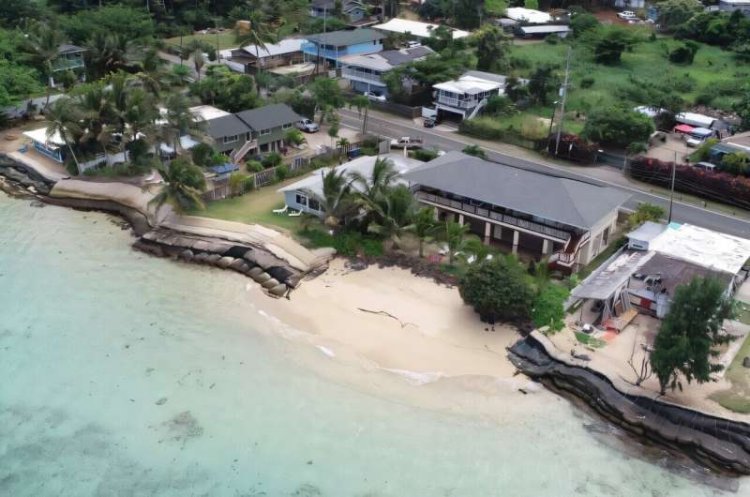
Oʻahu Faces Accelerated Coastal Erosion Threat by 2030, New Study Reveals
A recent study by the University of Hawaiʻi at Mānoa's Coastal Research Collaborative (CRC) indicates that Oʻahu's coastline is experiencing more severe erosion than previously estimated. The research forecasts that 81% of the island's sandy beaches could undergo erosion by 2100, with approximately 40% of this degradation occurring as early as 2030.
Study Findings and Methodology
Utilizing a computer model that incorporates three decades of satellite, aerial, and drone imagery, the CRC team assessed shoreline changes around Oʻahu. This model accounts for seasonal sand movements, particularly during winter swells that impact the north shore. The findings suggest a 44% increase in short-term erosion projections compared to earlier estimates, highlighting a more immediate risk to the island's beaches.
Implications for Infrastructure and Ecosystems
The study emphasizes that areas with hard-armoring structures, such as seawalls, are at heightened risk of total beach loss. Erosion poses threats to infrastructure, including roads and underground utilities, and can lead to the destruction of homes. Additionally, the loss of beaches affects public access and disrupts local ecosystems.
Future Research and Planning
The CRC plans to extend its modeling efforts to other Hawaiian islands to aid in statewide coastal planning. The data aims to inform policymakers and communities, enabling targeted mitigation and adaptation strategies to address the accelerating erosion hazards
Source:Phys.org
What's Your Reaction?

















