The court’s decision reflects a compassionate, science-based approach that protects both communities and animals—pivoting away from the impractical and inhumane mass sheltering model toward modern urban animal management. India’s Supreme Court revises its stray dog order, requiring neutering and vaccination rather than mass relocation, aiming for a humane, scientific, and balanced approach to public safety and animal welfare.
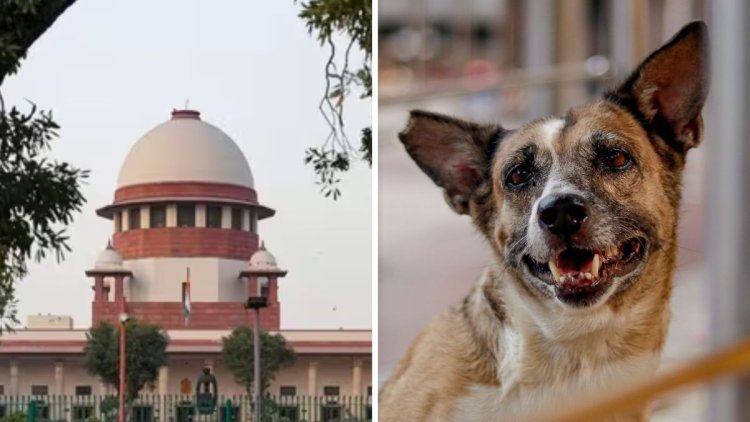
The Indian Supreme Court has reversed its earlier order calling for all stray dogs in Delhi-NCR to be transported to shelters, instead supporting a more kind and science-based approach emphasizing neutering (sterilisation), vaccination, and release. Passed on August 21, 2025, the updated order follows many grievances from animal welfare organizations, activists, and individuals concerned about the practicality and ethics of relocating many dogs to a different area.
What Changed ?
The first August 11, 2025 directive said that every stray dog had to be gathered and sent to shelters, with no return to their former haunts. This spurred both sizable rallies and legal challenges. Organisations for animal rights argued that mass migration would overload resources, expose disease transmission, traumatise animals and neighbouring people as well as that the shelter facilities were inadequate.
Faced with this difficulty, a special three-judge Supreme Court panel looked over and overturned the previous judgment. The changed decision goes as follows:
Sterilized (neutered), vaccinated, dewormed, stray dogs will find their way back to their native habitats.
Only dogs showing rabies symptoms or hostile behaviour will be accommodated.
Street feeding is against the law; otherwise, specified feeding zones will be established.
Suggestions for a fresh national stray dog policy have to be sent by states and union territories.
The local government must abide precisely by the Animal Birth Control (ABC) Regulations, which call for compassionate population control by way of spay, neuter, and return programs.
The revised ruling has been widely welcomed by animal rights organisations, veterinarians, and political leaders. Congress’ Rahul Gandhi called it a “progressive step” that balances public safety with animal welfare. BJP leader and animal rights advocate Maneka Gandhi hailed the order as “scientific,” urging rapid implementation of ABC programmes and better infrastructure for neutering, vaccination, and adoption.
Public Health Context
India continues to report large numbers of dog bites and occasional rabies deaths, particularly in urban areas where unsterilised and unvaccinated dog populations may rise unchecked. Experts maintain, however, that removal and culling are not long-term solutions and that sterilisation and immunisation are globally validated strategies for community dog management.
Implementation and Next Steps
The Supreme Court has invited submissions from states and NGOs as it prepares to create a comprehensive, humane national stray dog policy. Meanwhile, all municipal bodies are directed to scale up neutering and vaccination campaigns and establish shelter, feeding, and adoption infrastructure as prescribed.
What's Your Reaction?