Explore the unique adaptations of Australia's echidnas, from their innovative heat regulation methods to their role in citizen science initiatives, highlighting their resilience in a changing climate. Discover how echidnas, Australia's egg-laying mammals, have adapted to diverse climates and how citizen science is aiding their conservation amidst environmental challenges.
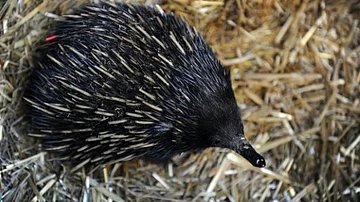
Echidnas, one of Australia's most unique and ancient mammals, have long fascinated scientists and nature enthusiasts alike. As egg-laying monotremes, they occupy a distinctive niche in the mammalian lineage. Recent studies have shed light on their remarkable adaptations to Australia's diverse and often extreme climates, highlighting their resilience and the importance of understanding their biology in the face of climate change.
Echidnas are found across Australia, from the arid deserts to the snow-covered mountains, demonstrating their exceptional adaptability. This adaptability is partly due to their unique physiological traits. For instance, echidnas possess a specialized mechanism to regulate their body temperature. Unlike many mammals, they cannot sweat, pant, or lick to cool down. Instead, they employ a strategy of blowing bubbles from their nose, which burst and wet the tip. As the moisture evaporates, it cools the underlying blood vessels, effectively lowering their body temperature.
Additionally, echidnas have spines that provide flexible insulation, helping them retain body heat. They also have spineless areas on their underside and legs, which function as thermal windows, allowing heat exchange with the environment. These adaptations enable echidnas to remain active under higher temperatures than previously thought, which is crucial as climate change leads to more frequent and intense heatwaves.
The breeding season of echidnas, typically from June to September, presents both opportunities and challenges. During this period, echidnas are more active, increasing their visibility to researchers and the public. However, this heightened activity also leads to a higher incidence of injuries. Many echidnas are admitted to wildlife hospitals due to trauma from vehicles and domestic animals. For example, the Currumbin Wildlife Hospital on the Gold Coast reports approximately 30 echidnas are admitted each year during the breeding season, primarily due to road accidents and dog attacks.
To mitigate these risks and enhance conservation efforts, researchers have initiated citizen science projects like the Echidna CSI. This initiative encourages the public to report echidna sightings and collect scat samples, which are invaluable for studying their diet and health. Such community involvement not only aids scientific research but also fosters a greater appreciation for these unique creatures.
Conclusion:
Echidnas exemplify the resilience of Australia's wildlife in the face of environmental challenges. Their unique adaptations to temperature regulation and their ability to thrive in diverse habitats underscore the importance of ongoing research and conservation efforts. As climate change continues to impact ecosystems worldwide, understanding the biology and behaviors of species like the echidna becomes increasingly crucial. Through collaborative efforts between scientists and the public, there is hope to ensure the survival of these remarkable animals for generations to come
What's Your Reaction?