Tackling Urban Heat: Delhi’s Informal Settlements Adopt Low-Cost Cooling Solutions
As Delhi's informal settlements battle rising temperatures, SEEDS India, in partnership with NDMA, is implementing low-cost, nature-based cooling solutions like white roof paint, bamboo shades, and traditional mud structures to help vulnerable communities adapt to extreme heatwaves with sustainable interventions.
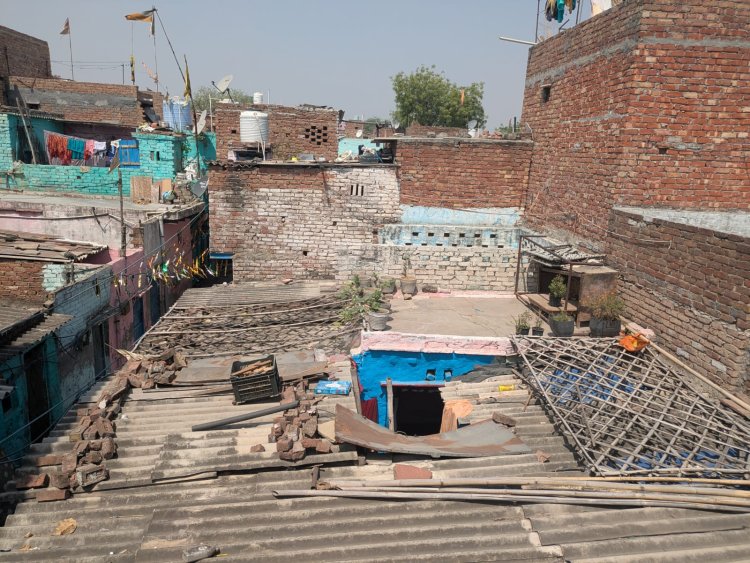
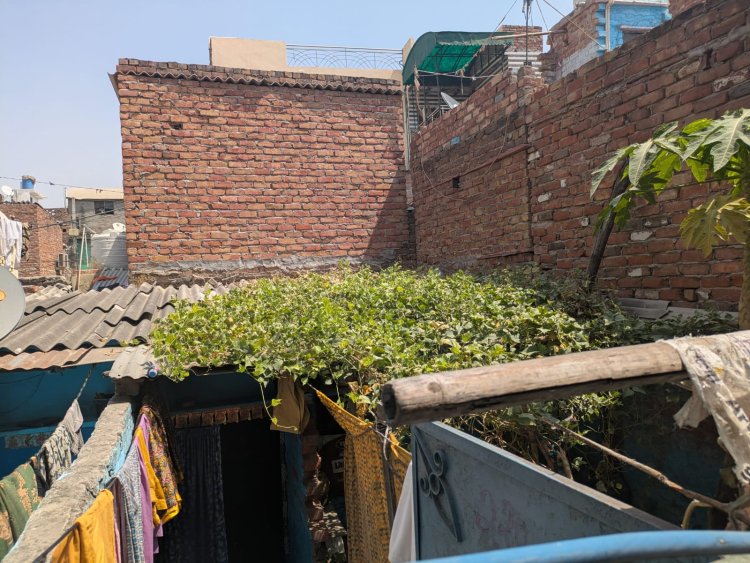
While Indian temperatures are crossing the 40°C mark this year with ease, heatwaves are posing an extreme danger to the central, northern, eastern, and southern parts of the nation. Slum dwellers in urban locations like Delhi are being severely affected by heatwaves. Under their tin-and-cement makeshift homes with minimum ventilation, indoor temperatures are higher than outdoor temperatures, and living conditions turn into a health risk. This ongoing crisis has necessitated the use of low-cost, scalable technologies that could combat heat in at-risk communities.
Where small houses are found in localities like Sultanpuri and provide little protection from the sun, survival day by day is challenge enough. Factory workers, factory laborers, young mothers with new-borns, and kids are disproportionately at risk due to living conditions. The urban poor do not have coping capacity with regard to climate conditions, and therefore the requirement of producing affordable cooling devices is imperative.
To tackle this problem, SEEDS (Sustainable Environment and Ecological Development Society), in partnership with the National Disaster Management Authority (NDMA), has been putting into practice realistic, people-oriented heat adaptation measures. The organizational model is based on empowering communities to prepare, survive, recover, adapt, and ultimately flourish in the midst of climate challenges. Operational in several cities, such as Delhi, Bhopal, Chennai, Varanasi, Lucknow, and Bhubaneswar, SEEDS is establishing local resilience by cost-effective people-centered nature-based solutions.
Through its 2025 vision, SEEDS has turned two high-risk northwestern Delhi neighborhoods into living labs. It aims to test low-cost cool roof technology that can be locally manufactured and maintained. Designs are based on a mix of traditional know-how and science-supported verification in order to optimize performance under extreme conditions.
One of the most common measures taken is white reflective paint on metal or cement roofs. This measure considerably diminishes heat absorption. Interior temperatures were lowered by several degrees in test installations, cooling the surroundings for residents in high-exposure areas.
Other homes have been fitted with installations that consist of bamboo with creeper plants or jute bags on top. The natural cover provides shade and enhances ventilation. The use of vegetation in one test house cooled indoor temperatures by 38°C to 35.6°C. The difference, although seemingly marginal, is considerable in terms of comfort as well as health security.
The houses were also treated with a multi-layered alteration by alternating bamboo frames and jute bags water-sprayed. The alteration lowered indoor heat exposure by more than five degrees in some instances. Such a cooling effect is especially beneficial to occupants recovering from illness or those who have babies where too much heat can be extremely lethal.
In some instances, durable Magra cloth, which is conventionally employed in Rajasthan, has been reclaimed to design shaded and insulated roofs. The material, draped across bamboo frames, creates a ventilated cover that reduces heat transfer. Temperatures inside were several degrees cooler, even in the hottest sun hours.
More conventional designs incorporate bamboo boards treated with a combination of cow dung and mud. This has been carried out over centuries but is still functional today. Indoor room temperatures in houses where it is being used remain at approximately 31°C as the external temperature rises to above 37°C.
They are low-cost and designed to be implementable at the community level. This guarantees widespread implementation without excessive dependence on off-site infrastructure. Each prototype is tailored based on local material, house size, ventilation requirements, and local situation.
SEEDS approach focuses on long-term resilience, rather than relief in emergencies. The communities are sensitized to recognize early warnings and take protective actions ahead of peak summer. This proactive approach enables quicker recovery from heatwaves and encourages sustainable urban poor living.
This effort is a part of a wider trend in climate adaptation planning where community-led interventions have priority. Instead of being solely expensive engineering or technology-based measures, these interventions present low-cost innovations that are easily adoptable into day-to-day life. With heatwaves intensifying and being more common in India, particularly urban and peri-urban areas, desperate measures need to be taken that specifically target the most vulnerable.
The cooling schemes are being planned step by step according to the feedback from individuals along with monitoring temperature. While incorporating traditional methods with low-technology processes, SEEDS is developing a model that can be replicated in other hot-hit cities and towns.
As the climate crisis mounts, initiatives under the "Under the Umbrella" campaign provide a concrete step towards environmentally friendly city living. Emphasizing usability, scalability, and local context sensitivity, it provides an implementable and sustainable model for other towns dealing with the same issues.
Source: SEEDS India (Sustainable Environment and Ecological Development Society)
Author: Uma Joshi, Coordinator, Under The Umbrella Campaign, SEEDS
What's Your Reaction?