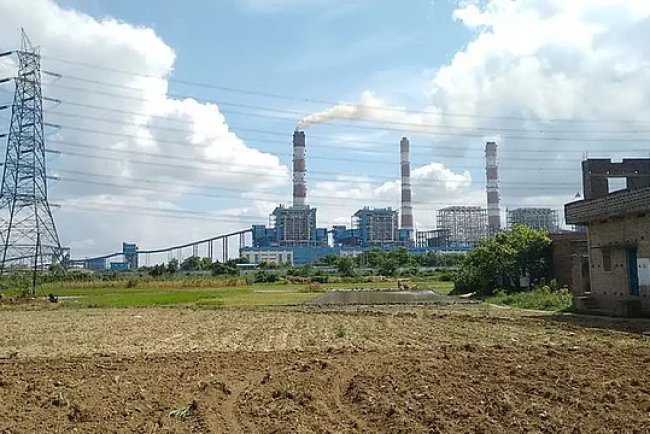
Trump Administration Terminates $3.7 Billion in Clean Energy Project Grants
The Trump administration canceled $3.7 billion in clean energy grants on May 30, 2025, targeting 24 projects, including carbon capture and low-carbon cement initiatives, citing economic unviability. The move, affecting companies like ExxonMobil and Heidelberg Materials, could lead to 25,000 job losses and hinder U.S. climate goals.The Trump administration terminated $3.7B in clean energy grants, impacting carbon capture and industrial decarbonization projects, raising concerns about job losses and U.S. competitiveness in sustainable technologies.
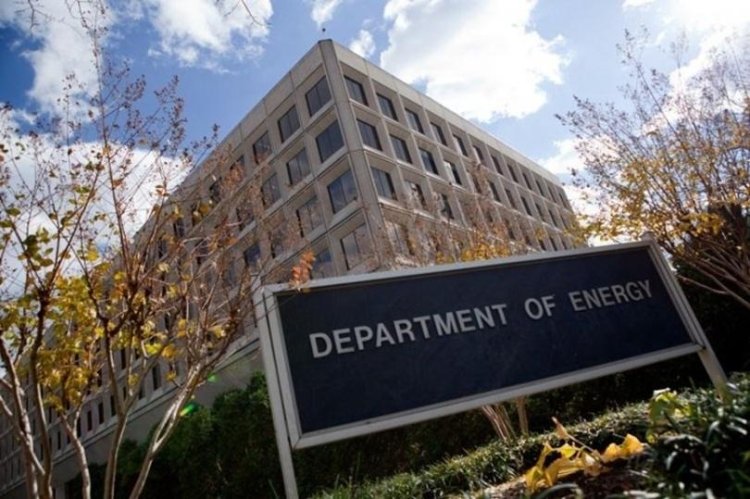
On May 30, 2025, the U.S. Department of Energy (DOE) announced the cancellation of $3.7 billion in grants for 24 clean energy projects, primarily focused on carbon capture and industrial decarbonization. This decision, part of the Trump administration’s energy policy shift, aims to prioritize fiscal responsibility and traditional energy sources, sparking debate about its impact on U.S. climate goals and industrial competitiveness. The move reflects a broader review of Biden-era clean energy initiatives, raising concerns about job losses and environmental progress.
The U.S. Department of Energy, under Secretary Chris Wright, terminated $3.7 billion in funding allocated to 24 clean energy projects, as announced on May 30, 2025. These grants, awarded through the Office of Clean Energy Demonstrations (OCED) established under the 2021 Bipartisan Infrastructure Law, supported initiatives such as carbon capture and sequestration (CCS), low-carbon cement production, and clean energy projects for industrial processes. The DOE justified the cancellations, stating that the projects were not economically viable, failed to advance U.S. energy needs, and would not deliver a positive return on taxpayer investment. Notably, 16 of the 24 awards, worth approximately $2.3 billion, were signed between the November 5, 2024, election and January 20, 2025, during the final months of the Biden administration, raising questions about the timing and review process of these grants.
The canceled projects included significant initiatives across various sectors. For instance, ExxonMobil lost $331 million for a project to replace natural gas with hydrogen at its Baytown, Texas, refinery, aimed at reducing emissions in ethylene production for plastics and textiles. Heidelberg Materials was stripped of $500 million for a low-carbon cement project in Indiana, while Eastman Chemical Company lost $375 million for a molecular recycling facility in Longview, Texas. Other affected companies included Calpine, which lost $540 million for two CCS projects at its Sutter and Baytown plants, Kraft Heinz, which forfeited $170 million for clean energy upgrades at 10 U.S. facilities, and Sublime Systems, which lost an $87 million grant for innovative cement production. Smaller awards, such as $95 million to Nevada Gold Mines and $75 million to American Cast Iron Pipe Company, were also terminated, impacting a range of industries from mining to metal manufacturing.
The cancellations are part of a broader Trump administration agenda to prioritize “American energy dominance” through increased oil and gas production while scaling back clean energy initiatives. The DOE’s decision follows a May 15, 2025, audit policy requiring grant recipients to provide detailed financial information or risk cancellation, part of a review of over $15 billion in Biden-era grants. The administration has also proposed closing the OCED, which managed $27 billion in funding for hydrogen hubs, carbon capture, and battery storage projects under the Inflation Reduction Act (IRA) and Bipartisan Infrastructure Law. This move aligns with efforts to reduce federal spending, as advocated by the Department of Government Efficiency, but critics argue it undermines domestic manufacturing and energy innovation.
The economic and environmental implications of the cancellations are significant. The Center for Climate and Energy Solutions estimated that the termination of these projects could result in the loss of 25,000 jobs and $4.6 billion in economic output, particularly in regions dependent on industrial innovation. Affected projects were seen as test cases for scaling technologies critical to reducing greenhouse gas emissions in hard-to-abate sectors like cement, steel, and chemicals. Carbon capture, a controversial technology due to its high costs and challenges in scaling, was a primary focus of the canceled grants, with about 10 projects worth $2.3 billion involving CCS. Critics of the cancellations, including the American Council for an Energy-Efficient Economy and the Carbon Capture Coalition, argue that the decision locks U.S. industries into outdated technologies, reducing competitiveness in a global market increasingly prioritizing sustainability.
The Trump administration’s focus on fossil fuels contrasts with global trends, where countries like those in the European Union are advancing policies such as the Carbon Border Adjustment Mechanism to penalize carbon-intensive imports. The cancellations have drawn criticism for potentially undermining U.S. energy independence by limiting investment in technologies that reduce reliance on volatile global energy markets. For example, projects like Brimstone’s alumina and cement production initiative aimed to bolster domestic critical mineral supply chains, aligning with national security goals. The abrupt termination has also raised concerns about the chilling effect on private investment, as companies may hesitate to pursue clean energy projects without federal support.
The DOE’s review process has faced scrutiny for its lack of transparency. While the administration cited economic unviability, no detailed financial analyses were provided to justify the cancellations. The timing of the grants—70% awarded in the Biden administration’s lame-duck period—has been highlighted as evidence of rushed decision-making, though some, like Kraft Heinz’s $171 million grant, were announced in early 2024, well before the election. Environmental advocates and industry groups have called the move shortsighted, arguing that it jeopardizes progress toward the U.S.’s Paris Agreement commitments, from which the Trump administration has withdrawn again. Meanwhile, supporters of the cancellations view them as a necessary correction to prioritize affordable and reliable energy sources.
The broader context of U.S. clean energy investment adds complexity to the decision. In April 2024, the Biden administration announced $20 billion in awards through the EPA’s Greenhouse Gas Reduction Fund to support clean energy projects in low-income communities, aiming to mobilize $150 billion in total investment. The cancellation of the $3.7 billion in grants represents a fraction of the $500 billion allocated to climate-focused initiatives under the IRA and Bipartisan Infrastructure Law, but it signals a significant policy shift. The Trump administration’s actions could deter future investment in clean energy, particularly in carbon-intensive industries, while reinforcing reliance on fossil fuels, which critics argue contradicts global decarbonization trends and long-term economic interests.
Conclusion
The Trump administration’s cancellation of $3.7 billion in clean energy grants on May 30, 2025, marks a significant rollback of Biden-era climate initiatives, prioritizing fiscal discipline and fossil fuel production over decarbonization efforts. While the DOE cites economic unviability, the decision risks job losses, reduced industrial competitiveness, and setbacks in addressing climate change. As global demand for sustainable technologies grows, the U.S. faces challenges in balancing energy affordability with environmental and economic innovation, with the cancellations highlighting a pivotal shift in national energy policy.
What's Your Reaction?