Trump's Executive Order Challenges State-Level Climate Policies
U.S. President Donald Trump signed an executive order to block state-level climate change laws aimed at reducing fossil fuel use. The order targets regulations in states like New York, Vermont, and California, arguing they threaten national energy goals. The move has sparked legal and political opposition from states committed to climate action.
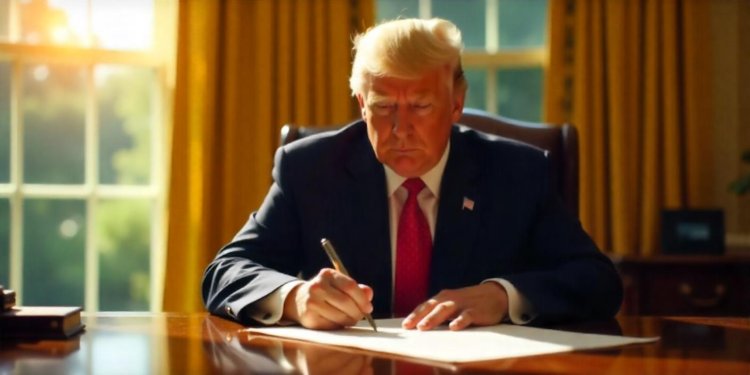
In your biggest policy turnaround, U.S. President Donald Trump signed an executive order intended to end state-level environmental policies that seek to reduce the use of fossil fuels and combat climate change. The order, signed on April 8, 2025, is part of the Trump administration's efforts to prioritize fossil fuel self-sufficiency and promote the advancement of the domestic fossil fuel industry, particularly coal and oil and gas.
The directive calls on the United States Attorney General to identify and pursue enforcement actions against those state laws that seek to restrict carbon emissions, promote environmental, social, and governance (ESG) goals, or promote climate justice. The administration says such actions destabilize federal energy policy and threaten national security and economic interests.
The order specifically goes after state policies like those of New York and Vermont, which have implemented policies that penalize fossil fuel companies for their carbon footprint. It also goes after California's cap-and-trade system, which limits industrial carbon emissions by allowing companies to sell and buy allowances as part of a broader effort to reduce greenhouse gases. The order also seeks to counteract legal action by states suing energy companies for their contribution to global warming.
The action falls into Trump's broader energy policy, which includes boosting fossil fuel production and doing away with what the administration sees as regulatory roadblocks. That has included recent directives on increasing coal production and relaxing environmental regulations on drilling for oil and gas. The executive order comes during a polarized national debate over climate policy, with Democratic state governments continuing to push forward on bills that attempt to address climate change independent of federal standards.
Despite resistance from the federal administration, member states of the U.S. Climate Alliance—a coalition of 24 governors committed to climate action—have promised to continue pursuing state-level initiatives. These range from investments in renewable energy to greenhouse gas reduction targets and policies aimed at supporting a sustainable economy. While the new regime offers legal and political challenges, states argue that the U.S. Constitution allows them autonomy to decide their own environmental policies.
The American Petroleum Institute (API), representing the oil and gas industry, also embraced the executive order, which it said shields the rights of the energy producers from state activities that they believe are unconstitutional. This is proof of the ongoing disconnect between federal Trump administration energy priorities and state actions toward decarbonization and clean energy transitions.
As legal battles start to loom, the decision is likely to heighten tensions between state and federal governments over the balance of power when it comes to environmental and energy policymaking. The ruling will have lasting implications for managing climate in the United States, especially as the global focus on sustainable development and emission reduction continues to intensify.
Source/Credits:
Reuters, Reporting by Nichola Groom; Editing by Edwina Gibbs
What's Your Reaction?