Expanding the UK Emissions Trading Scheme to include shipping emissions could generate nearly £1 billion annually while supporting maritime decarbonisation, according to a new ICCT analysis.
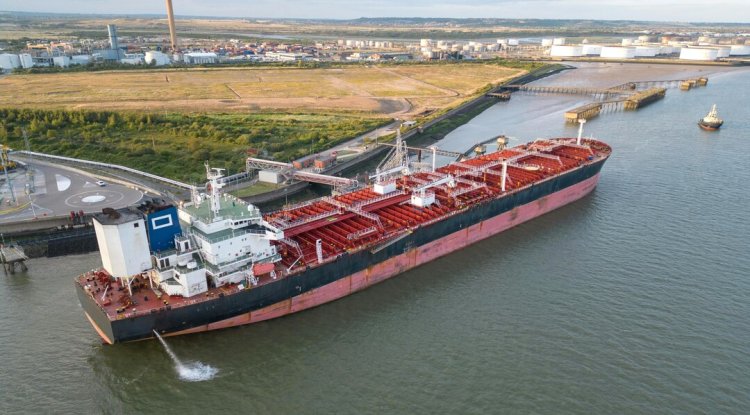
Expanding the carbon trading market in the UK to include shipping would raise about £1 billion a year in government revenue, according to a study carried out by the International Council on Clean Transportation (ICCT).
The study analyzed the possible effect of integrating domestic and international shipping into the existing UK Emissions Trading Scheme (UK ETS). The researchers noted that extending the scheme into the maritime industry could lead to reduced emissions and provide money for investing in clean marine technologies.
It is known that shipping accounts for a major portion of global emissions since the maritime industry heavily relies on high-sulfur content fuel. It is difficult to regulate shipping emission levels due to its international nature, despite the increasing number of climate change commitments.
According to the ICCT report, extending the scheme to include shipping would result in improved vessel fuel consumption, adoption of low-sulfur fuels, and other actions. As a consequence, the annual revenue of the scheme could reach almost £1 billion.
This comes amid efforts by several states and regions to tighten climate laws within the shipping sector. The European Union has already taken steps to integrate maritime transport into its carbon markets, obliging shipping firms to finance some of their emissions associated with voyages through EU ports.
The UK Government had been assessing its possibilities to expand the applicability of its carbon trading program post-Brexit, following the UK’s exit from the EU Emissions Trading Scheme. Shipping firms and climate scientists had been advocating for alignment with new climate policies to avoid any problems with trading and compliance.
The study stated that funds raised from these emissions might be used in decarbonisation programs, such as investing in environmentally friendly fuel and improving port and ship infrastructure. On the other hand, experts noted that rising compliance costs would likely impact freight charges and shipping costs.
Maritime transport is an integral part of international cargo movement, accounting for 80% of goods in the world market. On the other hand, there are also issues with the maritime industry's responsibility towards climate change. The IMO has set goals for emission reduction in shipping, while environmental organizations claim the results achieved are not satisfactory.
Alternative fuels, like green methanol, ammonia, and hydrogen, are considered by scientists as future solutions to minimize environmental impact from ships. However, their implementation on a wider scale is hindered by high production prices, lack of necessary infrastructure, and regulatory uncertainties regarding fuel standards.
The researchers suggested that implementing carbon price policies will contribute to investments in eco-friendly technologies by increasing expenses on polluting fuels. At the same time, it was noted that policy consistency and international collaboration were still crucial for cutting down emissions without disturbing international shipping activities.
What's Your Reaction?