UNEP and the University of Portsmouth have released a framework to help governments strengthen sustainable blue economy policies through coordinated governance, ecosystem protection and long-term planning.
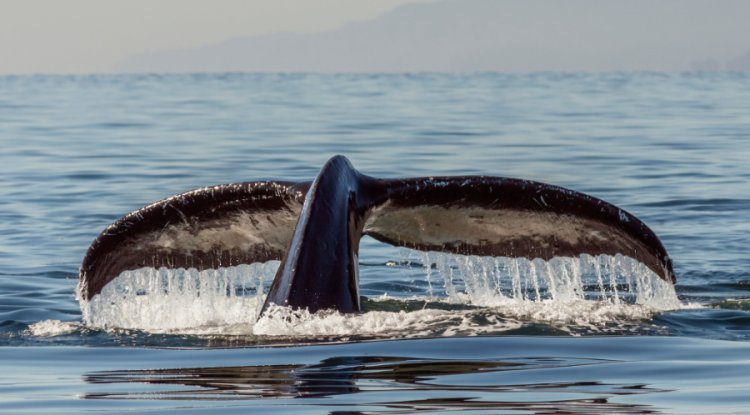
A report published by the United Nations Environment Programme (UNEP) and researchers from the University of Portsmouth examines how governments can strengthen the management of marine and freshwater resources while supporting economic activity. The report says many countries have announced blue economy strategies but continue to face difficulties in putting them into practice because decision-making is often spread across multiple sectors.
The report, Sustainable Blue Economy Transition Framework, states that industries such as fisheries, shipping and tourism depend on the same ecosystems but are frequently managed through separate policies. It says this fragmented approach, together with overfishing, pollution and climate change, has increased pressure on ecosystems that support biodiversity, food security, livelihoods and climate regulation.
What does blue economy mean?
It means making efficient use of oceans, seas, and inland water for economic development without compromising the well-being of aquatic ecosystems. These sectors include fishing, shipping, tourism, renewable energy, and coastal development.
According to the report, these sectors need to plan their actions because an action taken by any of these sectors could impact other sectors using the same natural resources.
What is included in the framework?
The report doesn’t suggest one specific model but rather suggests a process that nations may tailor to fit their governance structures. The government is advised to:
1) Evaluate the current policies, institutions, and financing frameworks.
2) Establish shared sustainability goals in all sectors.
3) Factor in environmental considerations in planning, investments, and policy-making.
This report is complemented by the “Sustainable Blue Economy Rapid Readiness Assessment,” which is meant to assist governments in evaluating the current governance frameworks and establishing any policies that need to be changed.
Why is it relevant?
The report indicates that marine and freshwater ecosystems continue to be under increasing threat due to issues related to climate change, pollution, and unsustainable usage of such resources. The report says that coordination among government agencies and environmental considerations may help in managing these resources effectively.
Moreover, the report indicates the importance of nature-based solutions and participatory decision-making processes. As per the report, these strategies may help governments to have an integrated approach to the environment and socio-economic aspects while making policies on marine and freshwater ecosystems.
The report indicates that coordination and improved governance may help manage water resources while ensuring economic activities and ecosystem sustainability.
What's Your Reaction?