While the Ken-Betwa River Link Project aims to address water scarcity, tribal communities and environmentalists fear it could come at a significant ecological and social cost.
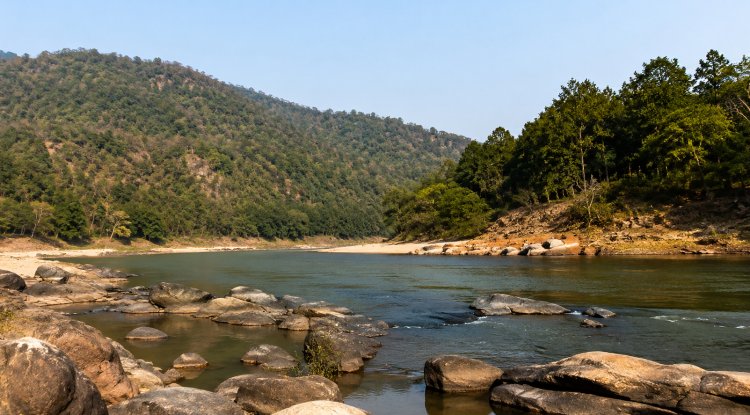
The Ken-Betwa River Link Project in India is now back in controversy due to the rising concerns regarding the ecological impact and deforestation linked with this project. While the government says that the Ken-Betwa River Link Project will benefit and improve the water situation in the drought-affected Bundelkhand region and helping agricultural development, however the communities that would be directly impacted by the project argue that this could come as a social and ecological cost.
The aim of the Ken-Betwa River Link Project is to divert the excess water from the Ken River in Madhya Pradesh to the Betwa River using the Daudhan Dam and 221 kilometres of canal network. As a result of this project, about 10 lakh hectares of farmland is to be irrigated, about 62 lakh people would get access to the drinking water, and hydropower is to be generated.
Balancing Water Security and Environmental Protection
The proposal for the project has been presented as one that is needed for building climate resilience in the region of Bundelkhand, that frequently experiences droughts and shortages of water. It may improve irrigation, leading to increased agricultural output as well as improved access to water for villages and a reduction in dependence on monsoon rains.
However, the environmentalists believe that the project may affect one of central India’s most ecologically diverse regions permanently. The construction of the Daudhan Dam is expected to submerge large areas of forests, including the forest regions of the Panna Tiger Reserve, would be submerged under water. The reserve is home to tigers, leopards, vultures, gharials and many other protected species, and environmentalists are concerned about their habitats being disrupted by flooding of forest lands.
Experts have also warned that connecting rivers on a vast scale can lead to a change in the course of the rivers and can also impact the ecosystem below. Some scientific researches claim that such linking can bring changes in land atmosphere interaction and rainfall, but this is still under investigation.
Why Are Tribal Communities Protesting?
The strongest opposition has come from tribal families living in villages expected to be affected by the project. Many residents say they face displacement from ancestral lands and forests that provide their primary source of livelihood through farming, collection of forest produce and livestock grazing.
The protesters have brought issues like compensation, rehabilitation, and forest rights into discussion. These people feel that many of the affected families have not been well informed about the relocation process and fear losing their home and also the culture associated with the forests.
Several demonstrations have taken place in recent weeks, with tribal communities demanding greater transparency, fair compensation and proper rehabilitation before construction progresses further. The protests reflect broader concerns about ensuring that large infrastructure projects do not overlook the rights and livelihoods of indigenous communities.
Government Stands by the Project
The government maintains that the Ken-Betwa scheme has the required statutory clearances and will provide long-term socio-economic gains to many people living in the states of Madhya Pradesh and Uttar Pradesh. Officials have stated that resettlement programs and compensation packages are being made available to the concerned families and that the scheme is necessary for overcoming water shortages in Bundelkhand.
A Test for Sustainable Development
In the case of Ken-Betwa River Link Project, the issue of development versus conservation and social justice becomes very clear. Even though water security is an essential need for drought-prone areas, scientists emphasize that the project’s success would be achieved only through biodiversity protection, ecological flows, and fair compensation to people displaced by the project.
The issue of Indian climate adaptation and infrastructure is exemplified by the project under discussion, which shows the necessity of sustainable and socially oriented development.
What Are People Saying?
The tribal settlements located in the villages impacted by the Ken-Betwa River Link Project state that while they do not object to development, they just want their rights, livelihood and forests to be safeguarded. Most families are apprehensive about being displaced from their native village along with their agricultural fields without proper rehabilitation or compensation.
A large number of activists and protesters maintain that they derive their sustenance through agriculture and other activities which involve the use of forests for their livelihood. They believe that displacement from their village is going to have an adverse effect on their income generation as well as on their culture and traditions associated with their land. Some villages have requested the government to first resolve issues of rehabilitation and compensation before initiating construction work.
Over the past few weeks, the displaced families have resorted to conducting hunger strikes and 'Chita Andolan' as a means of protesting against the move.
Some villagers have also alleged that project-related activities have disrupted their access to water and affected their daily lives. They say these issues have added to their concerns about displacement and the long-term impact of the project on their communities.
Environmental groups have raised many similar issues, stating that the submersion of forest lands and the Panna Tiger Reserve would pose a threat to the habitat and biodiversity of wildlife. It has been suggested that any such development work must ensure a balanced approach between water security and ecology.
However, supporters of the project believe that this is necessary for the drought-prone Bundelkhand region. They feel that the river linking scheme would be useful for improving irrigation and supplying drinking water, besides generating hydroelectric power.
What's Your Reaction?