India’s Metro Systems Embrace Green Transformation: Anand Muthukrishnan, Deputy Executive Director, CII -IGBC
Anand Muthukrishnan, Deputy Executive Director, CII - Indian Green Building Council (IGBC), speaks about IGBC’s contribution to making the rail system more sustainable, the assessment process, and more.
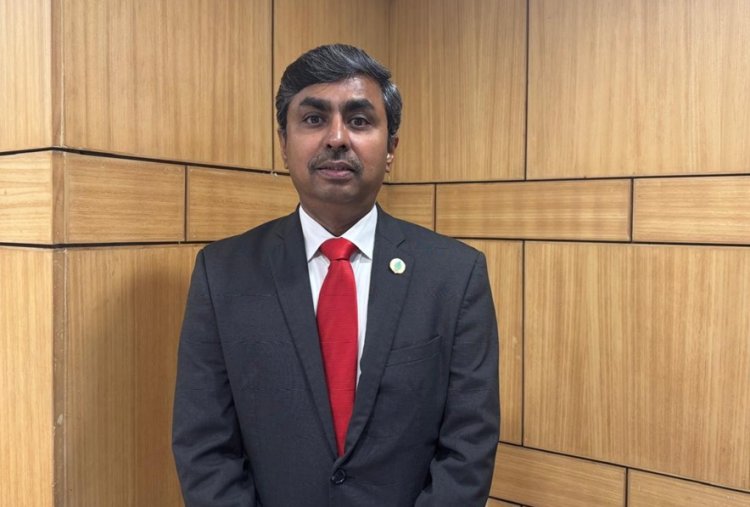
The Council offers a wide array of services, including the development of new green building rating programmes, certification services, and green building training programmes. It also organises the Green Building Congress, its annual flagship event on green buildings. In an interview with ResponsibleUs, Anand Muthukrishnan, Deputy Executive Director, CII - Indian Green Building Council (IGBC), spoke about IGBC’s contribution to making the rail system more sustainable, the assessment process, and more.
How did IGBC contribute to making metro rail systems in India more sustainable, and what makes the Green Metro Rating program unique?
We have worked closely with Delhi Metro Rail Corporation (DMRC) and other metro cities since 2013–14. Together, we developed the world’s first rating programme for metro rail networks to help them go green and become more sustainable.
Earlier, no exclusive rating system existed for metro depots, elevated, underground, at-grade stations, or substations. This led to the IGBC MRTS (Mass Rapid Transit System) rating program—a holistic, integrated system assessing sustainability.
The programme covers site selection, resource and water efficiency, including water flow monitoring, rainwater harvesting, and low-flow fixtures. It emphasizes energy efficiency in air conditioning, lighting, escalators, elevators, and traction systems.
We introduced eco-friendly materials like fly ash-glazed blocks, ensuring high recycled content while maintaining safety and strength. These materials can be recycled after decades, supporting a circular economy, which we've practiced for years.
The IGBC Green Metro Rating was the first of its kind. Today, 720 metro stations across 17 authorities in India follow this program—not just to save energy and water, but also to enhance commuter comfort and sustainability.
How do you assess and assign these ratings? Is it done in real-time? Do you use any AI technology, software, or manual evaluations?
The process is built into the design stage. For example, materials like cement are rated under the Green Pro program—some are certified green, others aren’t. We promote materials that are both eco- and people-friendly, such as low-VOC paints, sealants, and safe furniture for high-touch areas.
We’re also developing a new rating program aligned with India’s net-zero goals, in line with World Green Building Council standards but rooted in Indian values. For new metro systems, if a project scores over 80 out of 100 across 12 key areas, it receives a platinum rating—signifying global leadership. Ratings below that range from gold to silver to certified, depending on compliance.
For existing metros, where structural changes aren’t feasible, we assess energy efficiency in both traction (trains) and non-traction (escalators, elevators, etc.) areas. Design-phase ratings are valid for three years; after that, projects move into an operations category for reassessment.
If a project underperforms in design but excels operationally, it can be upgraded. For instance, a gold-rated design may be re-rated platinum based on real-world performance.
The rating system ensures long-term accountability. Metro performance is tracked not just by green parameters, but also by operational metrics like passengers per km per direction, train headway, number of coaches, and punctuality—all critical to earning higher ratings.
Are other companies approaching you for similar guidance in buildings and infrastructure?
In 2008, we launched India’s first green rating programme for homes, extending sustainability to where people live. I may spend 8–10 hours at home, but my family is there 24/7—so the home’s sustainability matters just as much.
That’s how the green building movement in India began. Today, IGBC offers 32 green and net-zero rating programs based on building types. Each building—whether a metro station, home, office, data center, or bank branch—has unique requirements. You can’t apply the same rating to all.
These programs have been adopted by over 15,000 projects nationwide, from Kashmir to Kanyakumari. Recently, we reached a major milestone: over 13 billion square feet of space in India is registered under IGBC’s green and net-zero rating programme.
Can you tell us more about the IGBC Green Healthcare Rating and how it addresses sustainability in hospitals?
The IGBC Green Healthcare Facility Rating is designed to guide sustainable design and construction in hospitals and healthcare complexes, especially greenfield projects. For existing hospitals, it ensures sustainability can be implemented without major structural changes. These principles also apply to hostels and other medical facilities.
A major concern in hospitals is hospital-acquired infections (HAIs). For instance, if I visit a patient and touch door handles or beds, the next person might get exposed—even if they were healthy on arrival. So, infection control is a core part of green hospital design.
The rating covers air conditioning, indoor air quality, material selection, and hygiene standards. But it also goes further—hospitals should feel therapeutic. For example, a pediatric ward and an oncology ward need different color schemes and atmospheres. The entire design should support healing.
Healing Architecture: Imagine waking up from surgery and seeing the sky and natural light—that kind of environment helps recovery. That’s why this rating was developed with inputs from over 3,400 experts—architects, designers, and doctors—to ensure hospitals support both sustainability and patient well-being.
Are you also providing third-party ecosystems for those who need them? For example, if someone installs solar panels, does IGBC connect them with third-party providers?
We help build ecosystems that support both physical infrastructure and technology. For any sustainable solution—like solar PV systems, energy-efficient air conditioners, or water-saving features—we collaborate with manufacturers to ensure these technologies are easily accessible.
If a project needs bifacial solar panels or high-efficiency hot water systems, we connect them with relevant providers from our network.
Developing Green Building Expertise:
When IGBC started in 2001, one of our main contributions was building this ecosystem. Since we can't manage every project from our Hyderabad office, we created a network of nearly 150 certified consultants.
For example, if you want to make your home green, IGBC won’t design or build it directly. Instead, we link you with certified consultants who guide you through the certification process, ensuring smooth and effective adoption of green practices.
If a building is still under construction and the developer isn’t interested in getting a sustainability rating, how do you ensure alignment with IGBC standards? Who holds responsibility in such cases?
The second aspect involves evaluating water efficiency, then energy efficiency—like the types of air conditioners, elevators, and lighting used. Next is indoor air quality and materials. Think of a home with an elderly couple who want winter sunlight to read the newspaper or an infant who needs a safe, green play space. These needs are considered during the feasibility study, while still allowing room for design flexibility.
India’s beauty lies in its diversity—just like the taste of chai changes every 40 kilometers, architecture should adapt to local needs. We don’t impose uniform designs. Instead, we provide a simple checklist so even someone without expertise in architecture or materials can create a sustainable building.
We offer technical guidance, and over 10,000 certified products are available. But there’s no compulsion—you’re free to choose any material or brand, as long as it meets sustainability goals.
[email protected]
What's Your Reaction?