Study finds urban parks in lower-income neighbourhoods are smaller, hotter and more polluted, highlighting unequal access to environmental and health benefits.
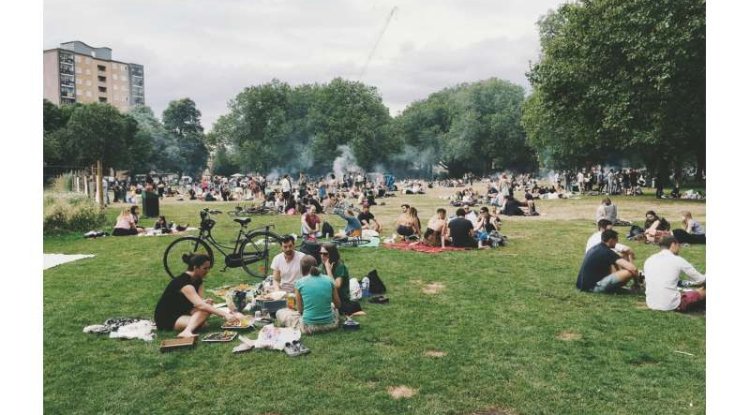
Park areas in economically disadvantaged communities in major American cities are smaller, warmer, and more polluted than park areas in wealthier areas, as found in an analysis of environmental conditions at urban parks across the country.
The analysis conducted by George Washington University Milken Institute School of Public Health was carried out in 24 urban areas in the country through census data, satellite images, and park inventories.
According to the findings, the parks in poorer neighborhoods experience more air pollutants and higher temperatures than in wealthier areas where bigger green spaces are evident. This pattern is consistent across many different cities.
Parks in urban settings provide several health benefits, which include protection against pollution and high temperatures.
This shows variations between cities. In urban areas like New York, Chicago, Los Angeles, and San Francisco, parks located in poor neighborhoods had high pollution. There was also a difference in the proportion of parks, where some cities had less than 1%, while others had above 30% parks.
Temperature differences were observed, whereby parks situated in poor neighborhoods were exposed to higher temperatures. This phenomenon is related to the concept of urban heat islands, whereby developed and built areas without much vegetation have higher temperatures.
These differences have been associated with structural inequalities in place for many years. For instance, practices such as redlining and siting of highways and industrial areas close to poor neighborhoods have been cited as causes.
According to research findings, the environmental characteristics of parks affect their ability to promote public health. This means that parks with smaller sizes and high levels of pollution cannot provide cooling and air purification.
The findings come as cities face rising temperatures and increasing demand for accessible green spaces. Urban parks are considered a key component of climate adaptation strategies, particularly in reducing heat exposure and improving air quality.
The study indicates that addressing disparities in park size and environmental quality could play a role in improving urban resilience and public health outcomes, particularly in lower-income neighbourhoods.
What's Your Reaction?