US Tariffs Threaten Indian Exports
The US’s 50% tariff on Indian goods, effective August 2025, threatens a 40–50% drop in exports like textiles and shrimp, urging a swift India–US trade deal.
A 50% US tariff on Indian goods, effective from August 2025, is set to slash exports in textiles, gems, and shrimp, prompting calls for a swift India–US trade deal.
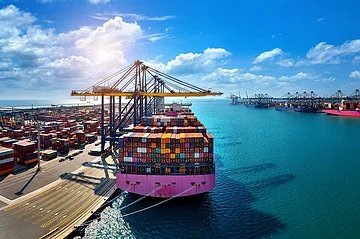
On 6 August 2025, the US imposed an additional 25% tariff on Indian goods, raising total duties to 50%, in response to India’s continued purchase of Russian oil. Sectors like textiles, apparel, gems, jewellery, shrimp, leather, footwear, and chemicals face severe impacts, with exports to the US, India’s largest textile market, projected to drop by 40–50%. The tariffs, effective from 7 August with a further increase by 27 August, add to existing duties, such as 33.26% on shrimp.
High-impact sectors include organic chemicals (54% duty), carpets (52.9%), knitted apparel (63.9%), woven apparel (60.3%), and diamonds (52.1%). Exporters report orders being halted as buyers reassess costs, squeezing already thin margins. MSME-led sectors, comprising 55% of India’s US exports, face risks of losing long-term clients. The Confederation of Indian Textile Industry urged urgent government action, while exporters seek new markets to offset losses.
India is negotiating a bilateral trade agreement (BTA) with the US, aiming for a first-phase deal by October–November 2025. However, India remains firm on excluding agriculture, dairy, and genetically modified products, complicating talks. The US has not imposed similar tariffs on China or Turkey, raising concerns about selective penalties. The think tank GTRI warns that cost competitiveness could drop by 30–35% compared to countries with lower tariffs.
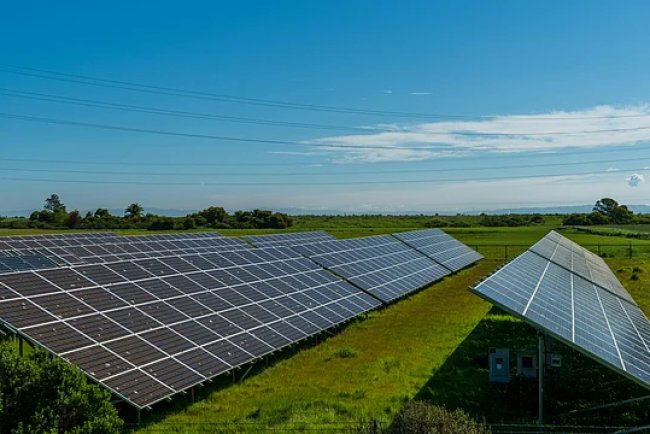
Public sentiment on X reflects exporter anxiety, with calls for diversified markets and faster trade negotiations. India’s electronics exports, including semiconductors, face challenges but may benefit from domestic manufacturing growth under the ISM. The tariffs highlight the need for India to reduce reliance on single markets and strengthen self-reliance, as seen in initiatives like Vikram Solar’s 250 MW project.
In conclusion, the US tariffs pose a significant threat to India’s export sectors. A swift BTA and market diversification are critical to mitigating losses and sustaining economic growth.
Source: Outlook Business
What's Your Reaction?