Walmart signs its first nuclear power agreement with Constellation Energy for 176 MW of clean electricity.
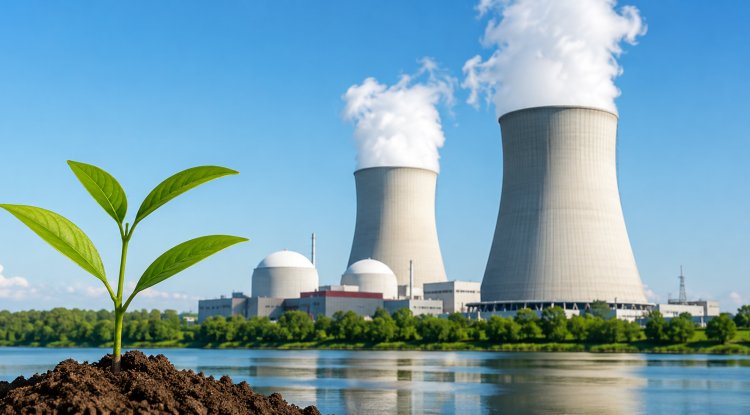
Walmart enters into landmark nuclear power contract with Constellation.Walmart signs first-of-its-kind nuclear power contract with Constellation.
Walmart Dabbles in Nuclear Power
This is a big move toward sustainability for Walmart as they sign their first-ever nuclear power purchase agreement with Constellation Energy. The agreement will enable the retail company to purchase about 176 megawatts of emissions-free power from Constellation's Dresden Clean Energy Center in Illinois. As major companies demand more power, the deal underscores the fact that nuclear power is becoming increasingly key to Walmart's growing nuclear power deal, clean electricity and procurement of nuclear energy.
This collaboration also comes against a backdrop of a changing corporate energy landscape in which companies are seeking to move beyond conventional renewables like wind and solar. Nuclear is a zero-emissions electricity generation source and by investing in it, WalMart is furthering its corporate clean energy goal in addition to providing a reliable supply of electricity to its growing operations. The announcement attracted the attention of investors and Walmart stock tumbled 1.41% after the news in intraday trading.
LTA-Energy is a contract that is negotiated for a long duration that is intended to support energy needs.
The power purchase agreement will take effect in two phases, 15-year each starting in 2029 and 2030. In addition to the electricity itself, the contract also includes environmental attributes and capacity, giving Walmart long-term certainty about a part of its electricity supply.
The agreement will provide Constellation Energy with a steady income stream and help sustain investment at the Dresden plant. Such long-term agreements are becoming more prevalent as energy companies look for ways to fund investments in old infrastructure and upgrades.
The country's nuclear power generation has grown but without the addition of new reactors.
An interesting part of the deal is that it adds 30 megawatts of planned uprate generating capacity at the Dresden plant. Uprates are efficiency gains that enable the existing nuclear plants to generate more power without building new plants.
There are a number of benefits to this method. The traditional permitting, construction, and regulatory hurdles associated with new nuclear projects do not exist for uprates: power output can be increased relatively quickly and cost-effectively. Energy providers can integrate clean electricity into the grid with minimum development risk by leveraging existing infrastructure.
The planned upgrades of the Dresden Clean Energy Center illustrate how existing nuclear assets can perform an important function in providing energy supply in the future, while also contributing to climate protection goals.
Seeking a supportive position with Walmart in Illinois.Looking to work with Walmart in Illinois.
The deal will facilitate the operation of Wal-Mart's new perishable distribution center in Belvidere, Ill. Power outages cause critical issues for facilities that involve food storage and distribution, which rely on refrigerated systems and temperature-controlled environments.
The deal for Walmart has two purposes: environmental and operational. A reliable supply of emissions-free power can contribute to the company's carbon footprint reduction and ensure that the critical logistics operations continue without interruption. With retailers steadily expanding their supply chain infrastructure, energy reliability is now a strategic business priority, in addition to sustainability objectives.
The rise of corporate interest in nuclear energy.The increasing involvement of the business community in nuclear energy.
The Walmart/Constellation agreement is one of the first contracts for nuclear power to be signed by a big retailer in the United States. Renewable energy power purchase agreements (PPAs) have been used for solar and wind projects for over a decade, and they have become the key method for corporate companies to support renewable energy investments. The changing energy needs are pushing companies to diversify their clean energy portfolios, though.
Nuclear power can generate electricity 24 hours a day, unlike solar and wind power, which rely on the weather. The steady supply of power is appealing for companies that have significant distribution networks, industrial plants, and technology businesses that depend on a reliable power supply.
With the growing demand for electricity from economic development, expansion of digital infrastructure and increased electrification, many organizations are now seeing the benefits of having reliable clean power sources to augment the variability of renewable energy sources.
Constellation and Regional Communities receive benefits.Constellation and Regional Communities benefit.
Constellation Energy has one of the largest clean energy portfolios in the U.S., with 55 GW of nuclear, natural gas, geothermal, hydroelectric, wind and solar generating capacity.
The plant is still a major contributor to Illinois' economy. The facility will have a license renewal announced in December 2025, allowing it to continue in operation through 2049 and 2051. It also supports more than 1,100 jobs, providing substantial economic benefits to surrounding communities.
The move to guard a long-time client such as Walmart gives Constellation more peace of mind to spend money on sustaining and upgrading its nuclear energy enterprise. These types of deals can facilitate the maintenance of current nuclear plants and boost the economic growth and employment in the area.
A fresh chapter in corporate procurement of clean energy.
The contract reflects the changing nature of nuclear power in corporate sustainability policies. With heightened calls from companies to lower emissions without compromising on reliability, nuclear is becoming an important part of the clean energy mix.
The agreement provides a model to the policy community on how demand from the private sector can complement government incentives and help sustain existing nuclear facilities. For companies, it underscores the increasing significance of energy security, sustainability and operational resilience.
Walmart's first nuclear power contract is a major step toward corporate energy buying. In a future in which more and more companies are faced with growing power needs in logistics, industry and digital infrastructure, such alliances between corporations and power suppliers for nuclear energy are likely to gain in frequency, and to determine the future of the clean energy market in the United States.
What's Your Reaction?