A record-breaking Fourth of July fireworks display in Washington, DC, pushed air pollution to hazardous levels as smoke and fine particles blanketed the city after the event.
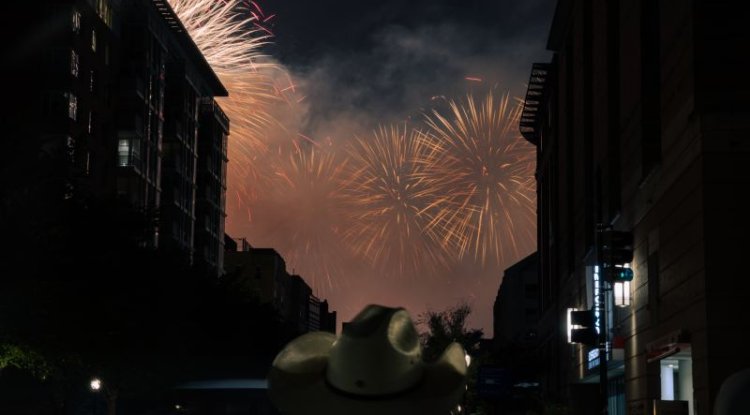
Washington, DC, saw its most polluted air in the year due to a new record of the Fourth of July fireworks show that polluted the city’s air with PM2.5 fine particulate pollutants, leading to hazardous air quality levels.
The 40-minute-long fireworks display on the National Mall led to thick smoke hovering over Washington after the Fourth of July. Air quality monitors showed a huge rise in PM2.5, or fine particulate matter, in the air, and due to light winds, the smog continued hovering over Washington. “Code Purple” air quality warnings were issued in some parts of Washington, as well as the neighbouring areas of Maryland and Virginia, because of very unhealthy levels of pollution.
The event was organised by Freedom 250 in celebration of Independence Day and included about 850,000 fireworks that were shot off from several locations in order to break the world record. The display was postponed due to storms until almost midnight.
Air pollution started increasing around 8 pm when people started shooting off fireworks in their neighbourhoods before the main event. During the show, one monitoring point recorded more than 200 micrograms of PM2.5 per cubic metre in the air.
The authorities recommended that people reduce exposure to the outdoor air, especially children, elderly people, pregnant women, and those suffering from asthma, heart diseases, and other respiratory ailments. The high concentration of PM2.5 can lead to eye irritation, difficulties in breathing, and aggravate any existing heart or lung problems.
The smoke occurred in the wake of several days of severe heat in the region. The light wind following the firework display prevented the spread of pollution, keeping it in place over the city for several hours.
The firework displays release particles of dust, gases, and metals, which give the required colors and visual effects. Air quality experts have always noticed an increase in pollution levels after public firework displays. This year's display was larger, which led to an unusually high level of pollution.
This pollution episode has brought to the fore the pollution effects caused by large fireworks displays.
What's Your Reaction?