Washington Residents Sue Energy Firms Over Insurance Hikes Linked to Climate Change
A new class-action lawsuit filed by Washington state residents alleges major oil companies' decades of climate deception are directly responsible for rising homeowners' insurance premiums, citing personal premium increases of over 100%.
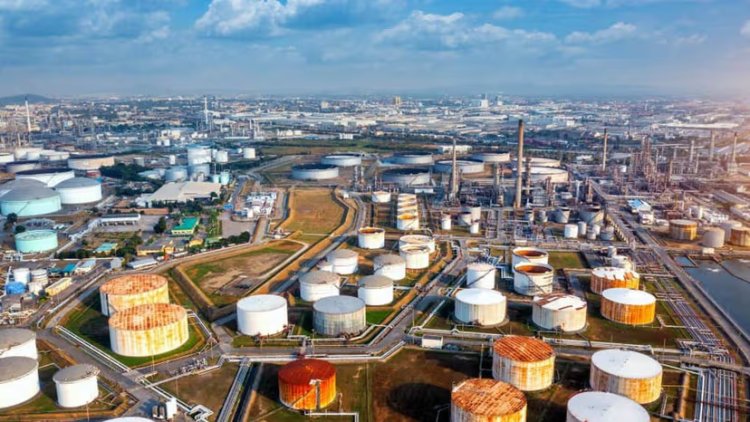
Homeowners in Washington state have launched a class-action lawsuit against major oil and gas companies, alleging that corporate climate actions are directly responsible for spiralling property insurance premiums. The legal action, filed in November 2024 in the U.S. District Court for the Western District of Washington, targets several of the world’s largest energy corporations and an industry trade body. It represents a new attempt to hold the fossil fuel industry financially accountable for what the plaintiffs describe as a hidden consumer cost of climate change. According to the report, the case could set a significant precedent for how climate-related damages are litigated.
The case, Kennedy v. Exxon Mobil Corporation et al., was filed by two residents — Richard Kennedy of Normandy Park and Margaret Hazard of Carson. They seek to represent a class of potentially thousands of Washington homeowners who have faced similar premium increases. The defendants named in the action are Exxon Mobil, Shell, Chevron, ConocoPhillips, and the American Petroleum Institute (API).
Core Allegations: Deception and Foreseeable Harm
At the heart of the lawsuit is the allegation that these companies engaged in a decades-long campaign of deception regarding climate science. The complaint alleges that internal corporate research, dating back to at least the 1970s and 1980s, accurately predicted that burning fossil fuels would intensify extreme weather, raise sea levels, and cause widespread economic damage.
The plaintiffs argue that despite possessing this knowledge, the defendants chose to publicly downplay the risks, fund efforts to cast doubt on climate science, and continue expanding fossil fuel production. Simultaneously, the lawsuit claims the companies took steps to protect their own multi-billion-dollar assets from anticipated climate impacts, such as elevating drilling platforms to account for sea-level rise. This alleged conduct, the filing states, was deceptive and created a “nuisance” that has now materially increased costs for ordinary homeowners.
The Financial Impact: From Global Losses to Personal Bills
The lawsuit connects the global scale of climate disasters directly to local insurance premiums. It cites data illustrating the growing financial burden on the insurance industry. In 2023, global natural catastrophes resulted in approximately $114 billion in total economic losses, with insurers covering nearly $80 billion of that amount. In just the first nine months of 2024, economic losses had already reached $145 billion, with a further $80 billion in insured losses.
Faced with these repeated and substantial payouts, insurance companies have raised premiums in high-risk areas worldwide. Washington state — which has experienced increased wildfires, storm damage, and record heat — is cited as one such region. The plaintiffs provide personal examples of the resulting financial strain:
-
Richard Kennedy saw his annual homeowner’s insurance premium rise from approximately $1,012 in 2017 to $2,149 in 2022, an increase of 113%.
-
Margaret Hazard experienced a similar doubling of costs, forcing her to switch to a cheaper policy with reduced coverage, despite living in a dry, fire-prone area.
Legal Precedents and Industry Response
This lawsuit enters a complex and evolving legal landscape. Most previous civil cases in the United States seeking to hold oil companies liable for climate damages have been dismissed on jurisdictional grounds, with courts ruling that such issues should be addressed by legislatures rather than the judiciary. The outcome of this case may depend on whether the plaintiffs can successfully argue that rising insurance premiums are a direct and foreseeable harm caused by the defendants’ alleged conduct.
The industry’s response, as noted in the report, has been one of firm denial. The defendants have characterised the lawsuit as an unwarranted and coordinated attack on an industry they argue is essential to modern life. They are expected to strongly challenge both the claims and the legal standing of the case.
A Broader Trend in Climate Accountability
This lawsuit forms part of a wider global surge in climate litigation. According to information cited from a leading media house, climate-related legal actions are now active in nearly 60 countries. These cases are becoming increasingly innovative, seeking compensation for a range of climate-linked harms, including human rights violations and financial losses. The Washington insurance case is distinctive in that it directly links corporate conduct to a specific and measurable increase in a routine household expense.
While the final resolution of Kennedy v. Exxon Mobil Corporation may be years away, the filing itself intensifies pressure on the fossil fuel industry. It reframes the climate crisis not only as an environmental or political issue, but as a tangible consumer protection concern — raising the question of who should bear the cost when risks long predicted by science become a financial reality for homeowners.
What's Your Reaction?