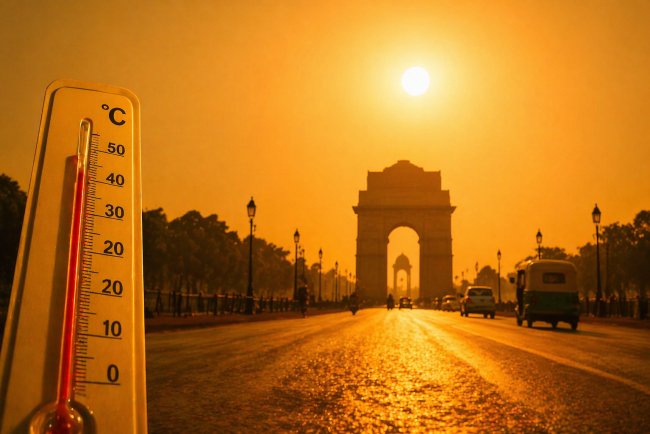
WHO highlights the growing threat of extreme heat, warning that rising temperatures are increasing health risks, heat-related deaths and pressure on communities worldwide.

A WHO fact sheet updated in April 2026 states that heat is one of the most serious environmental and occupational health risks, and that the impacts of heat are increasing rapidly as a result of climate change. Heat stress is a major cause of weather-related deaths, can exacerbate cardiovascular disease, diabetes, mental health, asthma, and the likelihood of accidents and the spread of infectious diseases. Heatstroke is still a medical emergency and can be extremely fatal.
People's exposure to extreme heat continues to increase. The number of people aged 65 and older who died due to heat has risen by about 85 per cent over the past two decades. Research indicates that there are an estimated 489,000 heat-related deaths per year worldwide, of which 45 per cent are in Asia and 36 per cent in Europe. An estimated 61,672 excess deaths were caused by heat in the summer of 2022 in Europe. The high impact events have been even more devastating – during the 2003 European heatwave, 70,000 heat-related deaths were recorded. A 44-day heatwave in Russia in 2010 caused an excess 56,000 deaths.
Vulnerability depends on physiological factors (age and underlying health conditions) and exposure factors (occupation, housing quality and socioeconomic status). Indoor workers, urban and rural poor, women who cook inside and those living in informal settlements are at a higher risk. Cities have become increasingly vulnerable against the effects of heat, with the reduction of green spaces, combined with the building materials that absorb heat.
Prolonged periods of high temperatures can also affect health services, ability to work, accident risks and can be part of hazardous air pollution events. Communities are more vulnerable due to population ageing and the increasing occurrence of non-communicable diseases.
WHO emphasizes that most of the negative health impacts of heat are preventable with public health policies, heat action plans, early warning systems and interventions at the community level. Reducing greenhouse gas emissions, however, remains the most urgent long-term response to address the extent of the climate crisis and mitigate the effects of climate change.
What's Your Reaction?