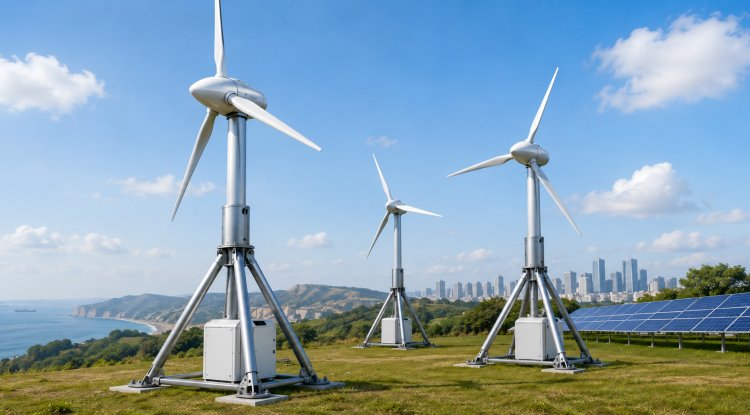
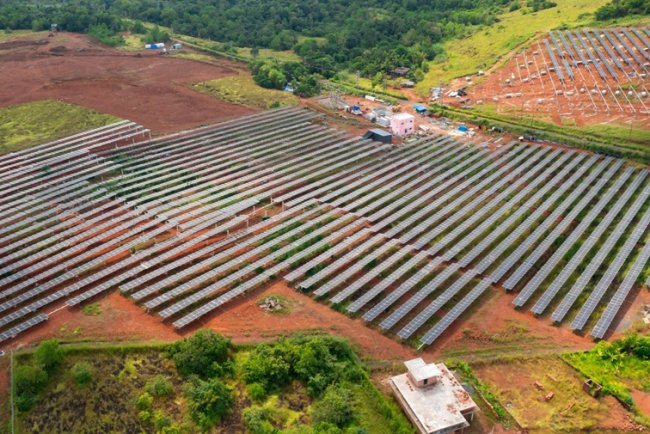
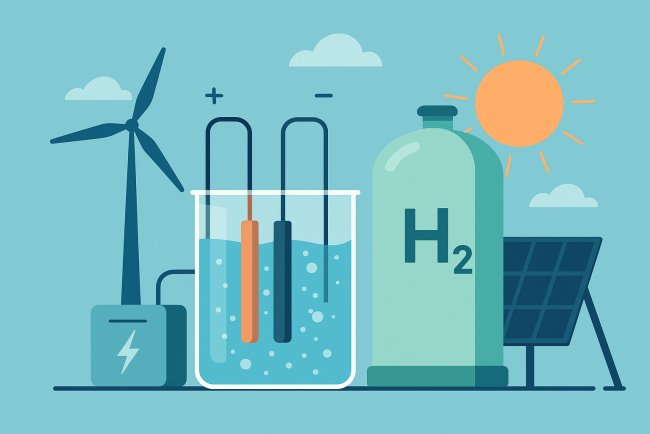
Environment Minister Bhupender Yadav said India is contributing to global climate and energy transition efforts through renewable energy expansion and sustainability-focused policies.
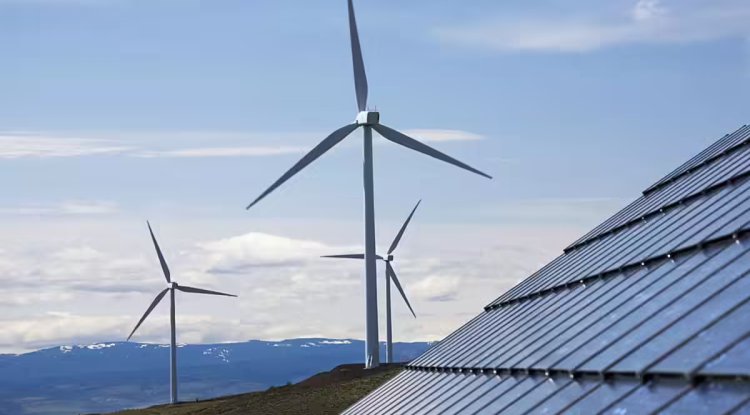
At its annual business summit, CII heard from Union Environment Minister Bhupender Yadav regarding the provisions that India’s central government is providing in terms of renewable energy sources relating to climate change and energy transition.
During the discussion on sustainability and resilience regarding the economy, Mr. Yadav stated that while India is still engaged in feeding into international negotiations on climate change and energy transition, they have also shown significant progress in increasing renewable energy investments.
They are aiming to create 500 gigawatts of non-fossil fuel-generated electricity by 2030. The government provides data that supports continued increases annually for all types of renewable energy installations, including both solar and wind.
Yadav went on to state that the geopolitical and economic climate has made international cooperation on the energy transition and sustainability a necessity. He stated that future economic priorities in India will focus on developing sustainable sources of energy, manufacturing, and improving infrastructure.
In recent times, many governmental programs have been related to the development of solar manufacturing as well as encouraging the adoption of electric mobility, green hydrogen, and transmission infrastructure to help expand renewable energy capacity.
Currently, the government has a variety of policies associated with low-carbon manufacturing and building clean energy supply chains. Recently, the government has been having discussions concerning renewable energy storage, developing transmission infrastructure, and manufacturing both solar equipment and battery systems within India.
Some of the reports produced by the various sectors have pointed out the challenges associated with increasing renewable energy capacity, such as financing, transmission infrastructure, and integrating into the grid. Furthermore, many of the studies have indicated that there is a critical need for increased investments to develop new storage systems and new transmission corridors.
By 2070, India aims to reach net-zero emissions and provide electricity to all while continuing to grow its industry. Future energy and climate policies from government officials will consider both development and current changes in the international energy market.
What's Your Reaction?