A new WMO forecast indicates a high probability of record global temperatures before 2030, with temporary breaches of the 1.5°C warming threshold becoming increasingly likely.
Temperatures globally are projected to continue being at historically high levels for the coming five years, with a likely occurrence of a year warmer than any other year recorded up until now between now and 2030, a forecast recently published by the World Meteorological Organization (WMO).
The prediction places an 86% chance of having at least one year out of those between 2026 and 2030 exceeding the currently held record of annual global temperatures. Additionally, there is a 91% chance of temporary temperatures crossing 1.5°C above pre-industrial levels.
Such results come following a string of record-breaking years of rising temperatures. Recent statistics of temperature increases show that global temperatures have not stopped increasing due to the increased emission of greenhouse gases into the environment. Increased temperatures result in extreme environmental occurrences and changes.
The forecast shows that the annual global temperature levels in the coming years between 2026 and 2030 will be between 1.3°C and 1.9°C higher than the level of the 1850-1900 average. The probability of exceeding 2°C of warming in any year is minimal according to the forecast.
According to WMO, each subsequent increase in global temperatures leads to an increase in pressure on the natural environment and human systems. The association between increased temperatures and more heat waves, changes in precipitation, droughts in some regions, and agriculture, water resources, and public health was found.
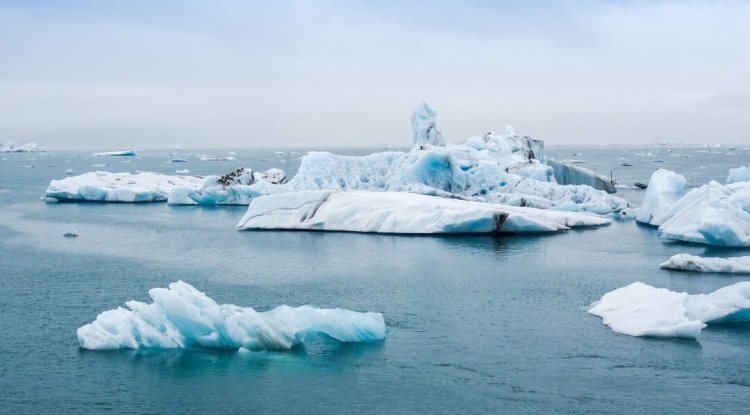
It is anticipated that the warming will be especially fast in the Arctic. It is expected that winters will experience a temperature increase, which will lead to further sea ice reduction.
Precipitation varies from place to place. It is expected that there will be more precipitation in Northern Europe, northern Asia, and Alaska; however, some parts of the Amazon region will experience less precipitation than usual.
A violation of the limit of 1.5 degrees Celsius is still an important indicator for global environmental discussions. The violation of this threshold in one year does not mean that the goal set by the Paris Agreement was reached because this goal takes into account much longer periods of time. Repeated violations of the threshold show that global warming is approaching.
The latest forecast highlights the continued rise in global temperatures and the likelihood of further climate records being set before the end of the decade.
What's Your Reaction?