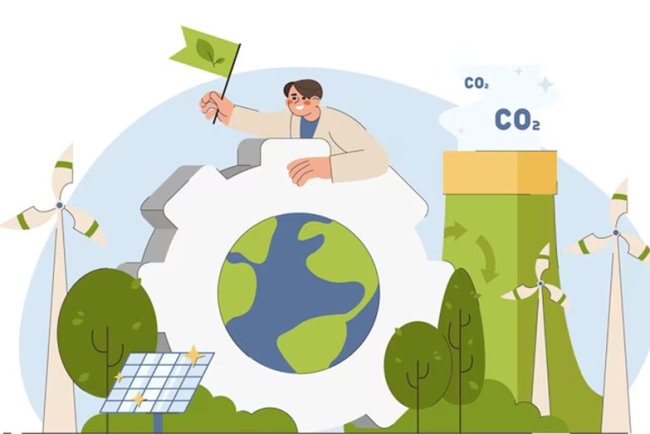
World Water Day 2026 brings attention to the connection between water and gender, while also looking at how climate change is worsening water issues like droughts and floods, and what easy steps people can take to save water.
World Water Day is celebrated on March 22nd every year to create awareness about the growing problem of water shortage. In 2026, besides water shortage, the problem of climate change and its effect on water shortage and making this problem worse will also be addressed.
While millions of people face a tough challenge every day to obtain clean and safe water. With the changing natural processes due to climate change, it has become essential to know about its effects on water and to solve these problems.
Theme for 2026: Water and Gender
This year the theme on World Water Day occasion is “Water and Gender” with the slogan being “Where Water Flows, Equality Grows.” The meaning of this theme is that how women and water both play an important role in handling and conserve water especially where there is climate stress. In many areas, women and girls are responsible for collecting water especially in rural areas where water is limited. When water sources become less reliable because of droughts and melting glaciers it becomes even more challenging for them.
How Climate Change Is Affecting Water
Climate change is disturbing the natural cycle of water. Rainfall has become unpredictable and irregular, rates of evaporation are increasing, glaciers are melting. As a result, floods and droughts are happening more often and are becoming more frequent.
More than 2 billion people are already having facing difficulties in getting clean and safe water for consumption, and making the situation worse. At the same time, water quality is becoming worse due to high temperatures and rising pollution.
Water Availability is Declining
Recent data indicates that the amount of water stored on land is declining by 1 cm annually. Areas such as those in Asia and Africa experience more droughts and floods.
Increases in population and temperature levels have put more pressure on the already scarce water resources.
This is affecting not only the availability of drinking water but also the farming sector.
Impact on Farming and Drinking Water
Agricultural activities require nearly 70% of the world’s fresh water. It is therefore a sector that is vulnerable to climate changes. Droughts, floods, and increased rates of evaporation have resulted in low agricultural productivity.
Severe climatic conditions may also lead to the contamination of water meant for consumption. Increased temperatures have also contributed to the deterioration of water quality.
Rivers and Lakes Under Pressure
Rainfall has become unpredictable and irregular and due to change in its pattern, river sometimes overflows which result in floods, and at other times, the rivers may dry up. This directly affects people who depend on rivers for their daily needs.
Lakes are also being affected by climate change. Rising temperatures can reduce oxygen levels in the water and the development of algae. This not only reduces the usable water but also affects the ecosystem.
Steps to Save Water
Although much work needs to be done on a larger scale, individual efforts may also play a part in the conservation of water. This includes the following:
• Sealing leaks to avoid water loss
• Reducing water consumption through the usage of less time in the shower
• Reusing water for gardening
• Collecting rainwater for consumption
• Selecting food products that consume less water
• Helping to conserve wetlands
Only few simple steps like using collective rainwater helps alot in conserving water and prevent water wastage
What's Your Reaction?