Zero Waste Day 2025 Highlights Urgent Need for Sustainable Practices in Fashion and Textiles
An overview of Zero Waste Day 2025, focusing on the environmental challenges posed by the fashion and textile industry and the global call for sustainable and circular practices.
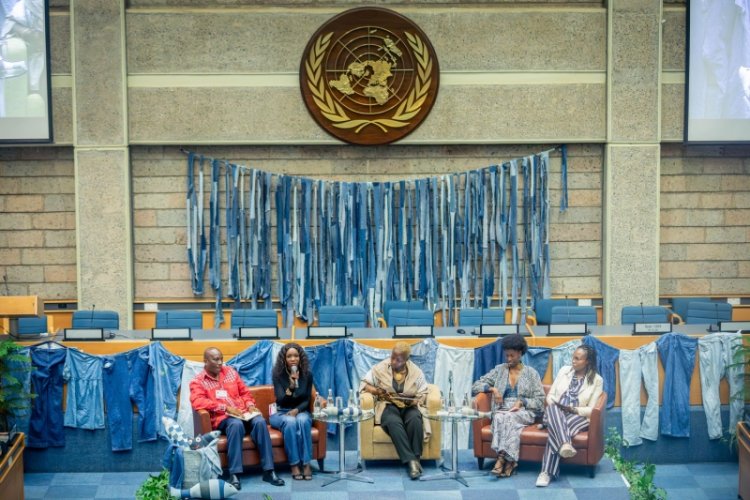
The International Day of Zero Waste 2025, observed on March 30, brought global attention to the environmental challenges posed by the fashion and textile industry. With the theme "Towards Zero Waste in Fashion and Textiles," the day emphasized the sector's significant contribution to global waste and the pressing need for sustainable and circular practices.
The fashion and textile industry is a major contributor to environmental degradation. Annually, it produces approximately 92 million tonnes of textile waste, equating to a truckload of clothing being incinerated or sent to landfills every second. This surge in waste is driven by increased production and consumption, leading to severe environmental, economic, and social issues, particularly in the Global South.
The industry's impact extends beyond waste. It accounts for 2–8% of global greenhouse gas emissions and 9% of microplastic pollution entering oceans each year. Moreover, the sector consumes 215 trillion liters of water annually, equivalent to 86 million Olympic-sized swimming pools. The use of approximately 15,000 chemicals in textile manufacturing further exacerbates environmental concerns.
In response to these challenges, over 240 events were organized worldwide to mark Zero Waste Day 2025. These included exhibitions in China showcasing furniture made from old fabrics and a youth-led hackathon in France focusing on sustainable fashion solutions. Approximately 630,000 individuals engaged in discussions on social media, and awareness campaigns were displayed on airport billboards from Istanbul to Beijing.
The United Nations Environment Programme (UNEP) emphasizes the need for a shift towards a circular economy in the fashion and textile sector. This approach involves sustainable production, reuse, and repair of clothing, aiming to reduce the environmental footprint of fashion. Implementing upstream solutions and zero-waste strategies can significantly mitigate pollution while generating economic value. For instance, new circular textile business models have the potential to create up to US$700 billion in economic value by 2030.
However, the transition to sustainable practices requires collective action. Governments, industries, and consumers must collaborate to reduce production and consumption volumes, eliminate hazardous chemicals, and promote recycling and reuse of textiles. Such efforts are crucial to address the waste pollution crisis and move towards a more sustainable and circular fashion industry.
Conclusion:
Zero Waste Day 2025 served as a critical reminder of the environmental impact of the fashion and textile industry. By highlighting the sector's contribution to global waste and pollution, the day underscored the urgency of adopting sustainable and circular practices. Collective efforts from all stakeholders are essential to transform the industry and mitigate its environmental footprint.
Source and Credits:
This article is based on information from the United Nations Environment Programme (UNEP).
What's Your Reaction?