The report shows that wider access to bank accounts has not translated into financial security, with only 23 per cent of adults able to arrange emergency funds, leaving many households financially vulnerable
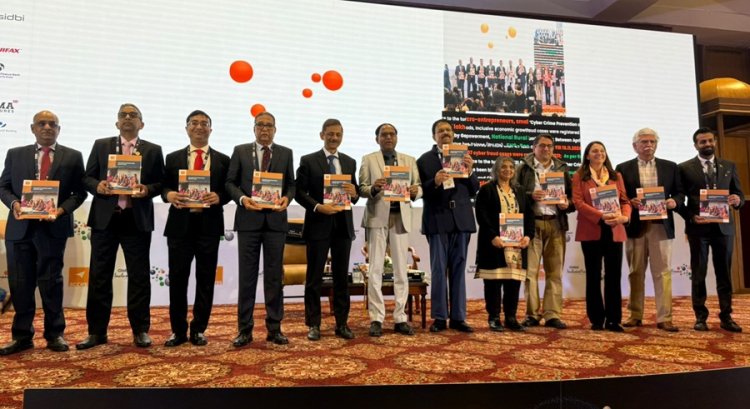
India has made significant progress in opening bank accounts. Today, 91 per cent of Indians have their accounts in a bank; however, only 69 per cent use them regularly, according to the India Inclusive Finance Report 2025 by ACCESS Development Services.
M Nagaraju, Secretary in the Ministry of Finance, said digital payments have changed how Indians transact. He pointed out that UPI crossed more than 21 billion transactions in December 2025 alone. He linked this growth to the spread of Jan Dhan accounts and rising balances in them. According to him, nearly half of India’s transactions are now digital. UPI has also expanded abroad, allowing Indian travellers to pay digitally in countries like Bhutan, Singapore, and France.
But the report suggests that numbers tell only part of the story. While bank accounts have increased rapidly, financial security has not kept pace. Only 23 per cent of adults said they could arrange emergency funds. This shows that many households still live close to the edge.
The report also highlights a growing gender gap. Women’s formal savings stood at 23 per cent in 2024, compared to 31 per cent for men. Women-led small businesses face even bigger hurdles. Their financing gap is almost double that of male-owned enterprises.
India’s small business sector continues to struggle with credit access. Total demand from MSMEs is estimated at ₹1.23 lakh crore, while formal credit meets only a fraction of it. This leaves a large gap that affects jobs, growth, and household income.
Digital finance has also brought new risks. In 2024, India recorded 3.6 million cyber fraud cases, leading to losses of over ₹22,000 crore. First-time digital users were hit the hardest. This has raised concerns around trust and safety in the system.
Chief Economic Advisor Dr. V Anantha Nageswaran said financial inclusion works best when it supports real economic activity. He spoke about street vendors under the PM SVANidhi scheme. Many used small loans not just to survive after the pandemic, but to invest, grow, and improve their businesses. He said this is what inclusion should look like.
There were some positive signs too. Loan quality in the MSME sector improved, with bad loans falling to 3.6 percent by March 2025. Over 27 million informal businesses were also brought into the formal system through Udyam Assist.
Vipin Sharma, CEO of ACCESS Development Services, said the focus now needs to shift. Opening accounts is no longer the main challenge. The real test is whether people benefit from being part of the system. He said inclusion must help families build resilience, trust institutions, and earn steadily over time.
The summit echoed this message again and again. India’s financial system has scaled fast. Now it must deepen. Without trust, safety, and useful products, access alone will not be enough.
As India moves forward, the report offers a clear reminder. Financial inclusion is not about counting accounts. It is about whether those accounts help people live with more security and dignity.
What's Your Reaction?