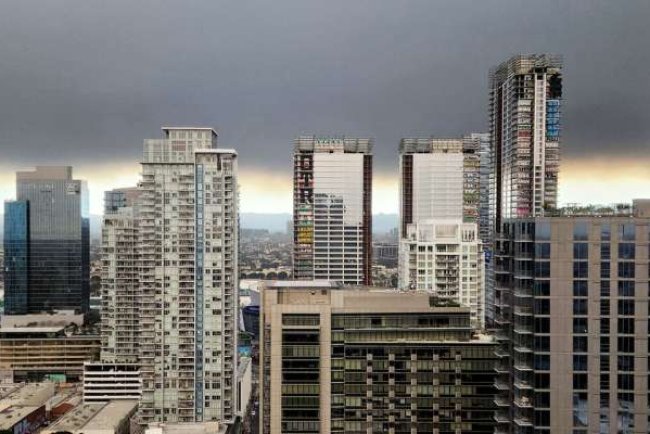
Once polluted and neglected, Chennai’s Adyar River is witnessing a revival through restoration and eco-restoration efforts.
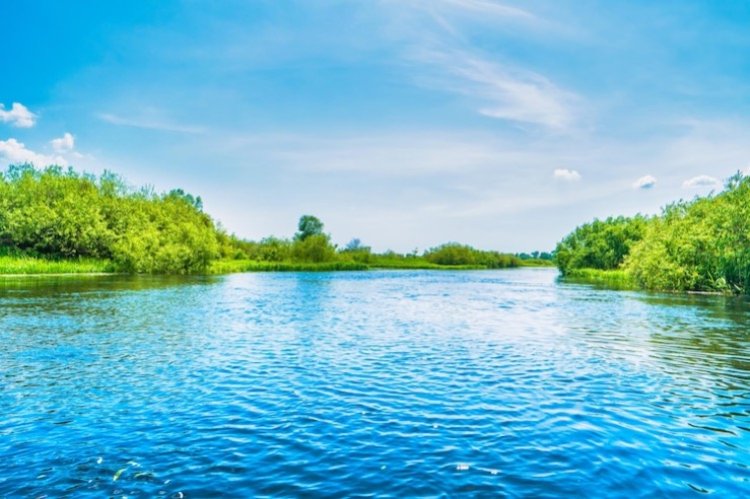
Adyar River in Chennai, which was once a city lifeline and a nursery of varied biodiversity, had suffered for decades through pollution, neglect, and degradation. But over the past few years, this ancient waterway is seeing a change, triggered by government initiatives, community action, and a new appreciation for urban ecology.
The Adyar River arises on the outskirts of the city of Chennai from the Chembarambakkam Lake and runs for over 42 kilometers before meeting the Bay of Bengal at the estuary known as the Adyar estuary. In its journey, it passes through semi-urban and urban areas, hence becoming a great geographical landmark and an important part of the water supply in the city. Traditionally, the river had fed the wetlands and arable fields and was home to fishing communities. Beyond that, it was formerly an integral part of the cultural and religious heritage of Chennai. The Theosophical Society, established in the 19th century along the river's southern banks, made the Adyar a world point of interest. The riverbanks were also populated by rich mangrove forests, migratory birds, and aquatic life.
In the course of decades, the living waterway turned into a symbol of environmental unease. Unbridled urbanization, encroachment and indiscriminate dumping of trash converted the Adyar into the dirtiest river in Tamil Nadu. With residential colonies sprawling and factories springing up along the river, untreated sewage and industrial effluents entered the river. Wetlands which had been soaking floodwaters and maintaining biodiversity were significantly diminished and taken over by concrete buildings. This random facelift did not only affect wildlife but also left Chennai more susceptible to flooding, a bitter reality brutally driven home during the 2015 floods that inundated large swathes of the metropolis.
The devastation of the Adyar was bestowed much attention. City planners, enviromentalists, and civic authorities had started screaming themselves hoarse for the future of the river, demanding revamp on priority. To this end, the government of Tamil Nadu, in association with the Chennai River Restoration Trust (CRRT), had launched a mass-scale endeavor to reclaim the river and its accompanying ecosystem. One of the most ambitious aspects of the project has been the setting up of the Adyar Eco Park, also referred to as the Adyar Poonga. Covering 358 acres in the estuarine area, the park strives to restore the natural flora and fauna of the riverine environment as well as provide a public recreational space for education and consciousness. Mangroves have been renewed, water channels have been opened, and native plant species have been reinstalled. The once garbage-logged and construction waste-filled land is now exhibiting signs of ecological recovery. Bird species that have long since gone extinct are coming back, and the estuary is gradually reclaiming its place as an important marine and freshwater habitat.
Apart from the eco-park, the river rejuvenation project also involves some important infrastructure interventions. Sewage treatment plants are being installed so that raw domestic waste no longer flows into the river. Interceptor drains and diversion systems have been commissioned on key locations of inflow to intercept and divert wastewater to treatment plants. Under Atal Mission for Rejuvenation and Urban Transformation (AMRUT) and Smart Cities Mission, finance has been utilized in river bed desilting, bund improvements, and linking residents residing near banks to sanitation facilities.
Eco-revival of the Adyar Creek is one more significant feature of the revitalization process. The ecologically sensitive area, having been encroached and polluted, is being restored gradually in stages. Besides increasing the resilience of the city against climate-floods, the restoration is reviving lost biodiversity. The return of small fish, crustaceans, and aquatic flora is a welcome indication of the revival of the creek. People and companies have also collaborated with green groups such as the Environmentalist Foundation of India (EFI) to organize cleanup drives and campaigns, engaging volunteers and students in river cleaning and educational programs.
Despite outward progress, the journey to completely restored Adyar River is long and beset with challenges. The largest among them is still the release of untreated sewage from population centers. While portions of the river look visibly cleaner, others still have foul odors and black water because pollution continues to plague them. Authorities admit that the maintenance of the fruits of restoration depends on a mix of firm enforcement, periodic upkeep, and continued public awareness.
Encroachment is also a burning issue. Various slum settlements and illegal buildings have appeared alarmingly near the riverbank, making restoration work and flood management a problem. Rehabilitation and resettlement of the settlements are still politically intricate and logistically challenging, but experts note that unless this problem is faced, long-term sustainability will not be possible.
However, in the midst of all the problems it has caused to Indian cities, revival of the Adyar River is a watershed change in Indian values concerning urban rivers. Instead of drain pipes or neglected backwaters, nature, ecology, and culture are taking such rivers back as green lungs, ecological shields, and cultural icons. What is happening in Chennai should serve as a model for every other town grappling with similar environmental issues. As Chennai expands, the reclaimed Adyar River may be not only a symbol of ecological restoration but also a witness to how nature, if allowed to, has a tendency to reclaim itself.
What's Your Reaction?