Amazon’s electric delivery fleet reaches 50,000 vehicles, supporting emissions cuts across global logistics.
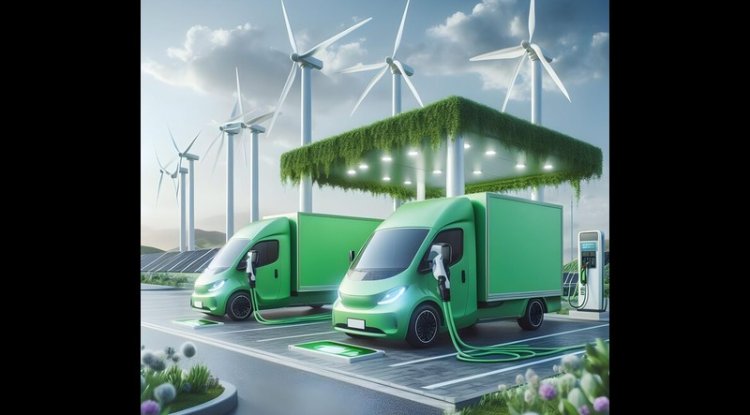
Amazon has hit a significant milestone in its efforts to reduce emissions in logistics. The company now has 50,000 electric delivery vans in operation around the world. This achievement takes Amazon halfway to its goal of deploying 100,000 electric delivery vehicles by 2030, a target set under The Climate Pledge in 2019. This progress shows the growing focus on electric delivery vans, corporate climate commitments, logistics emissions reduction, sustainable transportation, and net-zero strategies as companies face increasing pressure regarding their environmental pledges.
This milestone comes as investors, regulators, and stakeholders call for clear progress on climate goals rather than vague promises. Amazon reports that its global electric fleet delivered over 2.4 billion packages in 2024 without producing exhaust emissions. The scale of deployment demonstrates how large logistics operations are trying to cut emissions while keeping delivery efficient.
Europe is Key to Electrification
Europe has become the center of Amazon’s efforts to reduce transportation emissions. By the end of 2025, the company plans to deploy over 10,000 electric delivery vans in the region, supported by a €1 billion investment announced in 2022 to speed up low-carbon transportation options.
One major development occurred last year when nearly 5,000 electric vans from Mercedes-Benz joined Amazon’s European delivery network. These vehicles were introduced in Austria, France, Germany, Italy, and the United Kingdom, making it the company’s largest electric vehicle deployment in Europe so far.
This initiative shows a broader effort to connect vehicle purchasing with local manufacturing and emissions reduction goals. Along with fleet growth, Amazon has heavily invested in charging infrastructure, setting up thousands of charging points around the world, including many in Europe.
The company believes that widespread corporate use of electric vehicles can help drive more investment in public charging networks by demonstrating demand and supporting infrastructure building.
Expanding Urban Low-Emission Deliveries
While electric vans are crucial to Amazon’s plans, the company has also developed other delivery methods for busy urban areas. Since launching electric cargo bike deliveries in 2017, Amazon has created over 70 micromobility hubs in more than 50 European cities.
These hubs enable deliveries with electric cargo bikes, electric mopeds, and pushcart delivery systems. They help ease vehicle congestion in cities and cut emissions. In 2025 alone, over 30 million deliveries were made using these methods.
Amazon states that cumulative deliveries through its micromobility network have now exceeded 100 million across Europe. The company estimates that these operations have prevented over 17,000 metric tonnes of carbon dioxide equivalent emissions, highlighting the growing importance of alternative transportation models in last-mile logistics.
In many historic city centers and low-emission zones, micromobility options have become more practical for keeping delivery efficiency while following local environmental rules.
Reducing Emissions Beyond the Last Mile
Amazon’s emissions reduction strategy goes beyond customer deliveries. The company is electrifying its middle-mile freight operations, linking fulfillment centers, sorting facilities, and delivery stations.
Currently, over 100 electric heavy goods vehicles are operating within Amazon’s European logistics network. The company expects this number to more than double by the end of 2026. These vehicles aim to lower emissions from freight transport while supporting broader emissions reduction goals.
Amazon has also increased its use of lower-emission transport modes. The company now runs over 500 sea and rail routes across Europe, twice as many as three years ago. These routes cut carbon intensity by nearly 50% compared to similar road transport options.
In 2025, over 35% of inventory transfers on routes longer than 500 kilometers were moved by sea or rail. Amazon also expanded rail-based parcel delivery through France’s TGV high-speed rail network, delivering more than half a million packages via high-speed rail that year.
Ocean shipping is also becoming more prominent in the company’s international supply chain. In 2025, ocean freight made up 97% of Amazon’s imported transoceanic retail shipments, up from 90% the previous year.
Tackling Hard-to-Abate Sectors
Despite good progress in vehicle electrification, some transport segments remain tough to decarbonize. Aviation and long-distance ocean shipping still pose challenges due to technological limits and a lack of commercially viable battery solutions at scale.
To address these segments, Amazon has increased its use of lower-carbon fuels. In 2025, the company sourced more than 14 million gallons of blended sustainable aviation fuel for its air cargo operations.
While sustainable fuels do not completely eliminate emissions, they serve as an important transitional option for sectors where electrification is not practical. Industry watchers note that rising corporate demand for these fuels can stimulate further investment and production capacity throughout the supply chain.
Measuring Progress Against Long-Term Goals
For investors and corporate leaders, Amazon’s latest achievement highlights the complexity of decarbonizing global logistics. The company’s approach combines operational efficiency, fleet electrification, shifts to rail and sea transport, and the use of lower-carbon fuels when needed.
Even though deploying 50,000 electric vans marks significant progress, Amazon still needs to add another 50,000 vehicles to reach its 2030 goal. As requirements for climate disclosure grow and scrutiny of Scope 1 and Scope 3 emissions increases, the company’s ability to maintain this momentum will be closely monitored.
Nonetheless, this milestone indicates that large-scale transportation electrification is moving beyond pilot projects and becoming a part of mainstream logistics operations. It sets a standard for competitors and supply chain operators striving to meet their own climate goals.
What's Your Reaction?