An explainer on how ancient carbon released from hydrothermal vents near Taiwan supports microbes and marine life, revealing new insights into carbon cycling in ocean ecosystems.
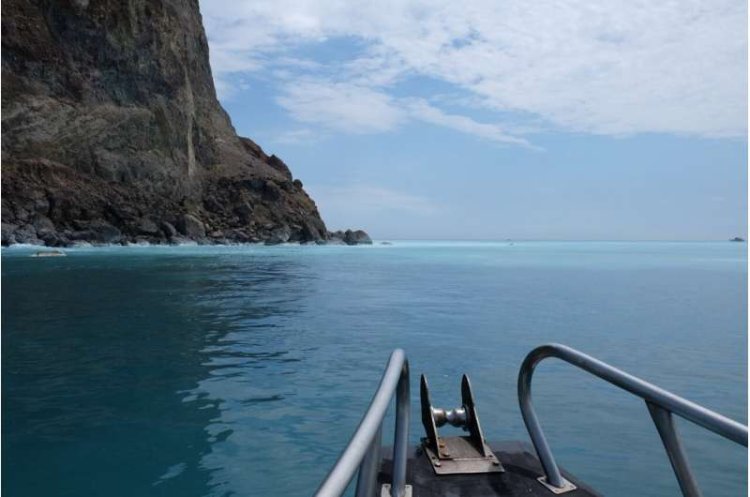
A recent research study has determined that ancient carbon emitted from hydrothermal vents located adjacent to Taiwan stimulates the existence of microbial life and contributes to the local marine food web. The results of this study also prove that geological processes below the oceans can support various ecosystems, even where there is little to no sunlight.
At a shallow hydrothermal vent complex located roughly ten metres underwater, near Kueishantao Island, located northeast of Taiwan, scientists tracked how carbon from the vents moves through surrounding water, gets consumed by microorganisms, and is subsequently transferred throughout the entire ecosystem.
What is hydrothermal carbon?
Hydrothermal vents are formed by hot water that seeps into the cracks in the Earth’s crust, heats up due to the magma located deep in the Earth’s crust, and then rises to the ocean floor carrying the minerals that it accumulated. The hydrothermal vents contain carbon compounds that are located deep in the Earth’s crust and are thousands or even millions of years old.
Unlike the rest of the marine ecosystem, where the food base is photosynthesis, the hydrothermal vent ecosystem is based on chemistry. The base of the food web in the hydrothermal vent uses the chemicals that are present in the vent, hydrogen sulphide, and carbon dioxide to make food.
How the researchers tracked the carbon
The research team used radiocarbon, a radioactive form of carbon that is found in nature, to identify the source of the carbon that the microbes used. While carbon found in deep sources contains little amounts of radiocarbon, carbon found in the atmosphere contains significant amounts of radiocarbon because it is part of the modern carbon cycle.
Using the levels of radiocarbon in the organisms and the water, the scientists were able to identify the carbon that originated from hydrothermal vents and not from sources on the surface, such as photosynthesis. The research showed that a significant part of the microbial life in the area originated from the deep carbon.
Significance of the findings
These microorganisms are the base of the food web in the ecosystems found near the hydrothermal vents. When they assimilate this carbon, it can then be transferred to other organisms, including crabs, which are found in the ecosystems near the vents.
This study has also found that geological carbon may play a larger role in coastal ecosystems than previously thought. Most studies on hydrothermal ecosystems have looked at those that are thousands of metres below the surface, but this study looked at the Taiwanese vent system, which is relatively shallow.
This study may help to improve the understanding of the ocean’s carbon cycle, which could then improve the understanding of geological activity and biology. It could also help to improve the understanding of how life can survive in extreme conditions, which could then improve the understanding of how life might have begun on Earth.
What's Your Reaction?