A University of Surrey report finds that changing how people shower, flush and report leaks could ease England's looming water shortfall, but only with better understanding of daily habits.
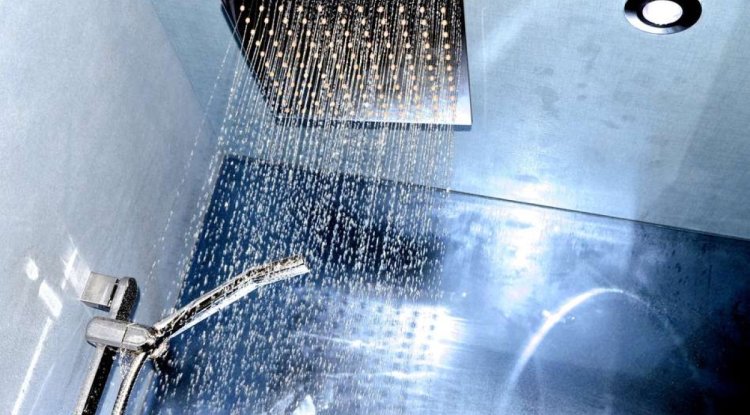
England is heading toward a daily water shortfall of five billion litres, and a new report says the fix may start in the bathroom rather than the reservoir.
The study, led by the University of Surrey and published to mark World Water Day, argues that shifting how people shower, report leaks and flush toilets could meaningfully narrow the gap — but only if water companies first understand why people behave the way they do.
What the report found
The report, "Promoting Domestic Water Efficiency via Behaviour Change," drew on input from more than 100 professionals across 60 organisations in the UK water sector, gathered between October 2024 and April 2025. Researchers from Swansea University, the University of Bristol and the University of Portsmouth co-authored the work.
England currently uses an estimated 135 to 150 litres of water per person a day. Smart meters, the government's main tool for cutting demand, are projected to save around 450 million litres by 2050 — a fraction of the shortfall the Environment Agency expects by 2055.
Researchers identified a mismatch. Water sector professionals ranked showering and toilet flushing as top targets for change, yet gave little priority to understanding why people shower or flush the way they do. The report says that's backwards: lasting change requires knowing what drives a habit before trying to alter it.
Showering uses six to 15 litres a minute. A quarter of household drinking water goes toward flushing toilets. Four of the six highest-priority behaviours the study identified were bathroom-related.
Why are habits hard to break
Much of this water use is automatic, the report notes. People don't consciously decide how long to shower — they just do it, the same way, daily. Routine, distraction, and fatigue mean simply telling people how much water they're using rarely changes that.
Study co-author Dr Pablo Pereira-Doel pointed to real-time feedback delivered during a shower as one method that works, because it intervenes at the moment the behaviour happens rather than relying on people to remember.
What the report recommends
The authors call for water companies to focus on disrupting habits rather than just raising awareness, to share behavioural research more widely across the sector, and to treat behaviour change as one tool among several — alongside leak repairs and infrastructure upgrades — rather than a stand-alone solution.
What's Your Reaction?