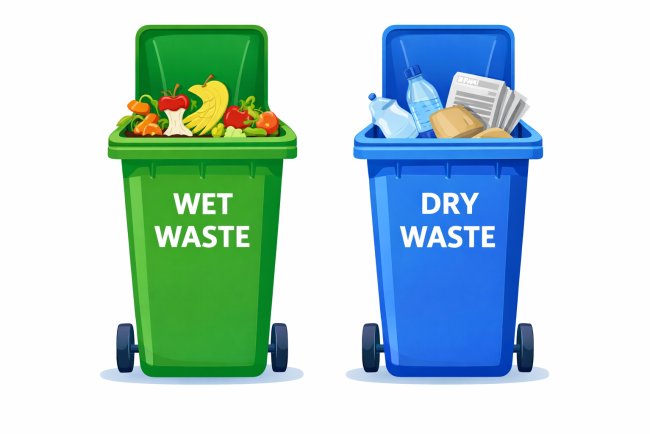
Bihar is investing ₹121 crore in a new Compressed Biogas plant to convert organic waste into clean fuel and support renewable energy growth.
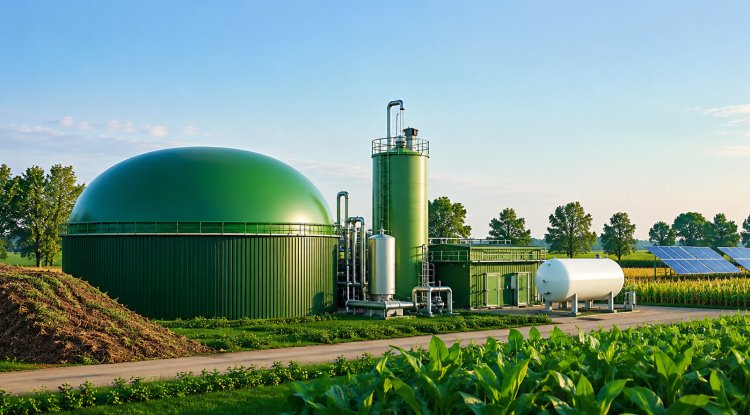
Bihar is set to strengthen its clean energy sector with the development of a new Compressed Biogas (CBG) plant involving an investment of around ₹121 crore. The project aims to promote renewable energy production, improve waste management, and support the state’s transition towards a more sustainable energy system.
The project is slated to be executed in the West Champaran district and the emphasis will be laid on developing compressed biogas through conversion of organic waste and agricultural residue. The project is anticipated to facilitate the conversion of waste into energy source and minimize reliance on fossil fuels.
Compressed Biogas is produced by processing biomass sources such as agricultural waste, organic waste, and other biodegradable materials. The final product has properties similar to conventional natural gas and can be used as a cleaner alternative in transport and other energy applications.
The initiative will be instrumental in supporting the increasing emphasis by Bihar on biofuel production and the circular economy model. Through utilization of waste material available in the area, the plant will help in decreasing waste generation, reduce carbon emissions, and add value for the local community.
In addition to the production of renewable energy, the plant will also yield various types of organic waste that can be used for fertilisation and promote farming. This way, a connection can be established between the production of renewable energy and rural development.
The investment comes as Bihar continues to expand its renewable energy and biofuel ecosystem. The state has been promoting compressed biogas projects through policy support and initiatives aimed at attracting investment in green energy infrastructure.
Job opportunities are also likely to be created at this CBG plant through the processes associated with the operations of the plant, biomass gathering, and other related operations. The creation of jobs will arise from the requirement for agricultural wastes and organics.
The move aligns with India’s broader efforts to increase the use of alternative fuels, reduce carbon emissions, and encourage cleaner energy solutions. With more states investing in bioenergy projects, compressed biogas is emerging as an important part of India’s renewable energy transition.
The Bihar project highlights the growing role of waste-to-energy solutions in building a cleaner energy future while supporting environmental protection, energy security, and sustainable development.
What's Your Reaction?