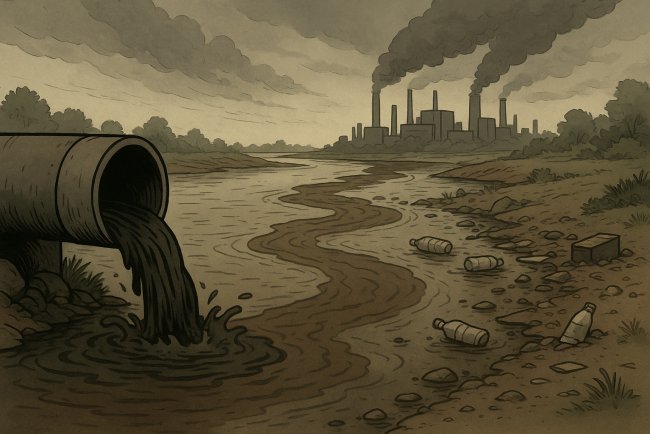
A new study warns that biodiversity loss could lower India's credit rating and increase annual debt servicing costs by nearly USD 49 billion.
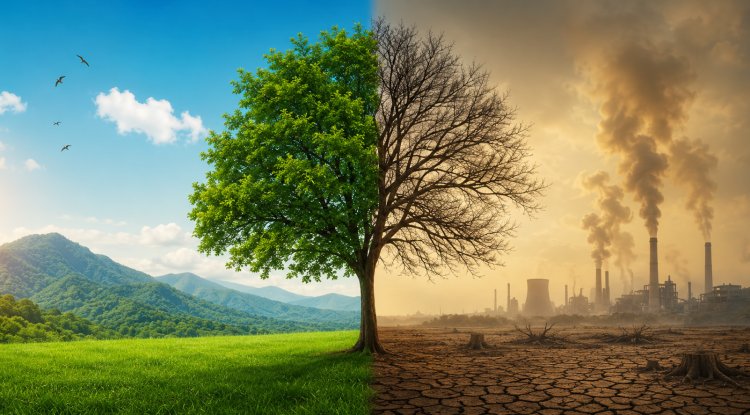
A new international study has warned that biodiversity loss could have serious financial consequences for countries around the world, including India. According to the research, India could see its sovereign credit rating fall by four levels on a 20-point scale if biodiversity decline continues unchecked, leading to an estimated additional debt servicing cost of USD 49 billion every year.
The research stresses the economic worth of nature that is usually not paid much attention to. The well-functioning ecosystem contributes economically to society by offering its services like pollinating the crops via insects, purifying the water using wetlands, maintaining soil fertility, and providing forests and seas which give rise to fisheries.
It was observed that "ecosystem services" were vital in sustaining productivity in agriculture, food security, public health, and economic development. However, there has been an increase in deforestation, destruction of habitats, pollution, climate change, and extinction of species.
The report warns that a decline in biodiversity could weaken economic performance, reduce government revenues and increase financial risks. As economies become more vulnerable to environmental shocks, international investors and credit rating agencies may view affected countries as riskier borrowers.
The sovereign credit ratings are employed to evaluate the capacity of a nation to service its debt obligations. The credit ratings are essential since they are considered when deciding the interest rates that a government pays in case it borrows funds either domestically or internationally.
The cost of borrowing funds for India could rise considerably if there were a four-notch downgrading for India. This would be because the annual cost incurred by India due to debt servicing amounts to an additional $49 billion.
Experts say biodiversity loss is no longer just an environmental issue but also a growing economic and financial concern. Countries heavily dependent on agriculture, fisheries, forestry and other nature-based sectors are particularly vulnerable to ecosystem degradation.
India is one of the top countries in the world for its level of biodiversity, with almost 8% of the planet's biodiversity existing in India despite the nation taking up just 2.4% of the Earth's surface area. It should be noted that India's economy depends very much upon ecosystem services.
The study suggests the need for conservation measures, sustainable use of the land, and incorporation of risks associated with nature into the economy. The researchers state that biodiversity should not only be considered environmentally important but also as one of the key factors that contribute to ensuring the economy’s stability.
The results provide further evidence in support of studies that indicate how the destruction of natural resources directly impacts financial markets and government budgets as well as economic resilience. With a focus on nature and climate-related issues becoming more common in the international community, policymakers may feel compelled to address biodiversity conservation in their policies.
What's Your Reaction?