Brazil's Efforts to Combat Deforestation in the Amazon Rainforest
Brazil has made strides in combating deforestation in the Amazon Rainforest through government policies and international collaborations. However, challenges remain as illegal activities and economic pressures continue to threaten the forest's survival. Learn about Brazil’s efforts, setbacks, and the importance of international cooperation in protecting the Amazon and combating climate change.
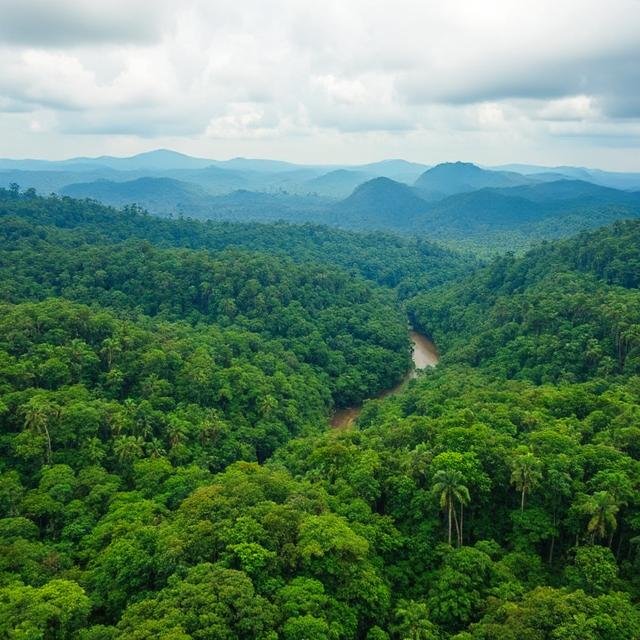
Brazil's Efforts to Combat Deforestation in the Amazon Rainforest
Brazil, home to the world's largest rainforest, the Amazon, has been at the forefront of global efforts to combat climate change and protect biodiversity. However, despite various initiatives and significant attention on environmental issues, the Amazon faces ongoing challenges from deforestation. The Brazilian government has implemented a range of policies aimed at reducing deforestation, yet illegal logging, land clearing for agriculture, and inadequate enforcement continue to threaten the rainforest. In response, Brazil has increasingly sought international collaboration to protect this vital ecosystem, which is essential for regulating the planet's climate and maintaining global biodiversity.
Brazil's efforts to reduce deforestation in the Amazon have fluctuated over the years, with some periods of progress and others of setbacks. The country’s approach to forest conservation has historically relied on a combination of government regulations, land protection programs, and the strengthening of enforcement mechanisms. One of the key initiatives was the creation of the Amazon Fund in 2008, which received significant contributions from international partners like Germany and Norway. This fund was established to support projects aimed at preventing deforestation, promoting sustainable land-use practices, and protecting indigenous territories.
Under former President Luiz Inácio Lula da Silva, the government made notable progress in curbing deforestation, with a sharp reduction in forest loss by more than 80% between 2004 and 2012. However, this momentum has slowed in recent years, particularly under the administration of Jair Bolsonaro, who prioritized economic development over environmental concerns. Policies such as reducing the enforcement of environmental regulations, weakening the role of environmental agencies like IBAMA, and opening up protected areas to mining and agriculture led to a significant rise in deforestation rates.
The Bolsonaro administration’s stance faced criticism from environmentalists, indigenous groups, and international organizations. In contrast, the new administration under President Luiz Inácio Lula da Silva, who returned to power in 2023, has made efforts to reverse some of Bolsonaro’s policies. Lula’s government has vowed to end illegal deforestation by 2030, with renewed support for environmental agencies and a focus on protecting indigenous lands. His administration is also working to reestablish partnerships with international donors to combat deforestation.
International collaboration has been an essential component of Brazil’s approach to preserving the Amazon. In addition to contributions from the Amazon Fund, Brazil has engaged with the United Nations, the World Bank, and regional organizations to secure financial and technical support. Global actors, including the European Union, have been vocal in urging Brazil to strengthen environmental protections. During the COP26 climate summit in 2021, Brazil faced significant pressure to take more ambitious steps to curb deforestation, with pledges of funding from various countries conditioned on the government’s commitment to reversing deforestation trends.
Despite the commitment to tackling deforestation, the government still faces significant challenges. The primary drivers of deforestation remain illegal logging, land grabbing, and the expansion of agriculture. Brazil is one of the world’s largest exporters of soybeans and beef, and the growing demand for these commodities has led to vast areas of forest being cleared. Moreover, illegal mining operations continue to spread across the Amazon, contributing to both deforestation and environmental degradation, particularly in protected areas.
Indigenous communities are key allies in the battle against deforestation, as they have long practiced sustainable land management and played a crucial role in monitoring illegal activities. However, they face increasing threats from land encroachment and violence from illegal loggers and miners. The government’s ability to protect these communities and enforce environmental laws in remote regions remains a major obstacle.
Brazil’s forest conservation efforts are also impacted by broader political and economic forces. While deforestation has environmental consequences, it also has economic implications. Some regions rely on activities such as logging and agriculture for jobs and income, creating a delicate balance between environmental protection and economic development. Overcoming this challenge will require innovative solutions, including promoting sustainable land-use practices, encouraging eco-friendly industries, and creating alternative livelihoods for communities dependent on deforestation-linked activities.
In conclusion, Brazil’s efforts to combat deforestation in the Amazon have seen mixed results, with both significant progress and setbacks. While the government has taken steps to address the issue, including working with international partners and engaging indigenous communities, there are still many challenges ahead. The ongoing rise in illegal deforestation, driven by the demand for agricultural products and mining, highlights the need for stronger enforcement of environmental laws, more investment in sustainable practices, and greater international cooperation. Protecting the Amazon is not only crucial for Brazil but also for the global climate, as the Amazon plays a vital role in regulating weather patterns and storing carbon.
As the international community increasingly calls for stronger action on deforestation, Brazil’s role in protecting the Amazon remains critical in the fight against climate change.
What's Your Reaction?