The Centre has invited bids for green urea plants to reduce fertiliser import dependence, promote green hydrogen adoption and strengthen India's sustainable agriculture and clean energy transition.
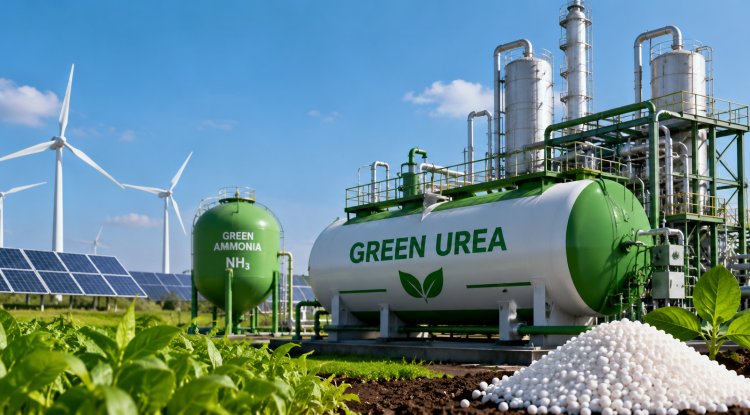
The government has invited Expressions of Interest (EoIs) for the development of green urea production facilities, which is yet another major stride forward to ensure that there is a decrease in the country's reliance on fertiliser imports and fast track the use of green hydrogen in industries.
This proposal comes under the National Green Hydrogen Mission, which seeks to promote the usage of renewable energy-derived hydrogen in industries that are hard to decarbonize. In this particular mission, the government intends to purchase around 7.24 lakh metric tons of green ammonia per year, and this would act as the key raw material for the manufacture of green urea.
Whereas the typical type of urea is made via the use of ammonia that is sourced from natural gas, green urea is made through the use of green ammonia obtained from green hydrogen created using renewable energy sources.
India is among the biggest buyers of urea in the world, with most of the demand coming from agriculture. While India has increased its domestic production of fertilizer in the last decade, the nation still has to import considerable amounts of urea to cater to the requirements of the farmers. The disruptions in global supply chains and fluctuating energy prices have emphasized the need to increase domestic production capacities and cut down imports.
The government's invitation for bids is expected to attract participation from fertiliser manufacturers, energy companies and green hydrogen developers interested in establishing integrated production facilities. The initiative is also likely to stimulate investments in renewable energy projects, electrolysers, hydrogen storage infrastructure and green ammonia production, helping create a comprehensive clean hydrogen ecosystem in the country.
According to industry experts, a massive ramp-up of green urea could revolutionise India’s fertiliser industry by reducing its carbon footprint while ensuring its supply security in the long run. In addition, the project will open up a new stream of business for players in the nascent green hydrogen value chain.
The program will help India achieve its overall aim of increasing self-sufficiency in important industries. The production of such fertilizers can decrease vulnerability to changes in the prices of fuel in international markets and increase the stability of the country's agricultural supply chain.
The program is also consistent with the Indian target of zero carbon emissions by 2070 as well as increasing the utilization of renewable energy in industries. As green hydrogen becomes commercially feasible in the future, green urea manufacturing will become increasingly important in ensuring sustainability within the fertilizer industry and contributing to food security and development.
If implemented successfully, the programme could position India among the early adopters of large-scale green fertiliser production, demonstrating how clean energy can be integrated into one of the country's most critical industries while reducing environmental impacts and strengthening long-term energy independence.
What's Your Reaction?