A study of Chicago's green alley programme found that stormwater management benefits varied across locations, with site conditions and maintenance influencing project performance.
According to a new study of how Chicago's green infrastructure program works under different conditions, the city's green alley projects have not performed uniformly well in terms of managing stormwater.
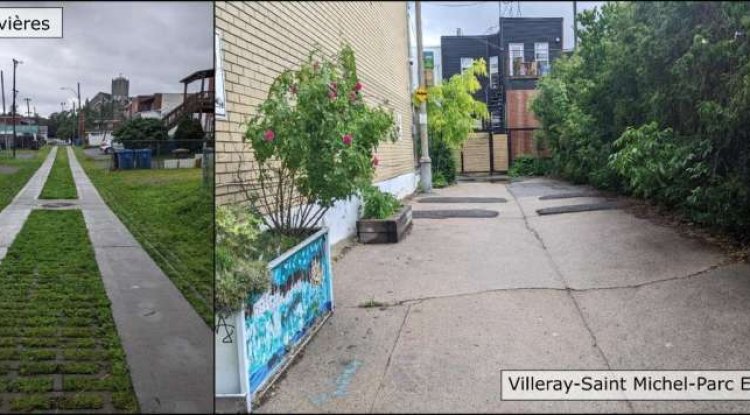
The research looked at alleys located throughout Chicago that have permeable pavement — a material meant to allow rainwater to enter the ground as opposed to draining away into storm sewers. This program was started by Chicago in order to reduce stormwater runoff and relieve stress on the city's drainage system.
Researchers found significant variation in the level of stormwater reduction provided by green alleys depending on their specific location. For instance, some green alleys provided greater rainwater absorption than other green alleys; therefore, the study results were affected by several variables such as soil composition, drainage features, and maintenance practices.
Chicago developed its initial green alley program to address flooding and other issues arising from traditional asphalt-based pavement. As part of its long-term urban infrastructure modernization plan to manage rainfall and stormwater more effectively, the City has rehabilitated hundreds of alleyways throughout the city with the use of permeable surfaces.
The researchers assessed sites with green alleys before, during, and after rainfall events to measure how much rainwater would be retained at each of the locations by reviewing existing environmental conditions. The study also indicated that the results of these assessments would be determined by localized site variables as opposed to the actual surface material.
Locations with good ground conditions had better infiltration rates than sites with poor conditions. One of the main reasons why the surfaces worked well over time is maintenance.
There continue to be urban flooding issues in cities today. As cities continue to grow and develop, drainage systems are being subjected to increased amounts of precipitation or rainwater. To address this issue, cities are implementing a variety of green infrastructure projects to mitigate runoff and provide supplemental drainage to existing drainage networks.
Researchers suggested that although the use of green alleys for stormwater management may give some benefit in this area, the level of effectiveness of green alleys varies considerably from site to site; therefore, when selecting sites for future projects, project development should consider the local environmental conditions.
According to the findings of this study, it is critical to conduct long-term assessments to determine the overall performance of investments made in urban green infrastructure. Ongoing maintenance is also important to ensure that permeable pavement systems continue to function properly.
The research provides an additional contribution to current discussions about how urban green infrastructure performs and how to address the issues associated with flooding and managing stormwater.
What's Your Reaction?