Citizen Science Project Mobilises Canadians to Protect Biodiversity
A Canada-wide citizen science project, “Blitz the Gap,” is inviting the public to help document wildlife using the iNaturalist app, providing vital data to protect biodiversity under threat from climate change, habitat loss, and human activity.
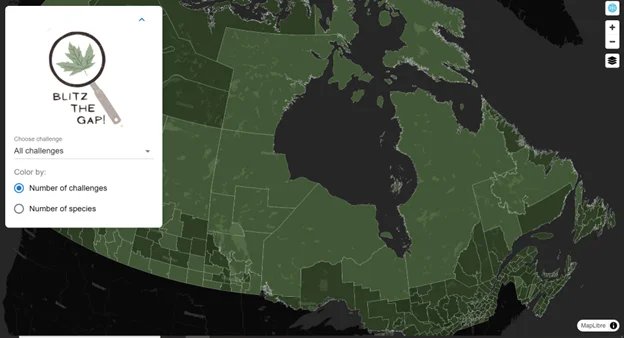
A national citizen science project in Canada is inspiring people from every sphere of life to support the monitoring and preservation of the countrys fast diminishing biodiversity. Researchers at Montreal's McGill University are heading the project, called Blitz the Gap, which encourages the public to record the plants and fauna all around the nation. It lets anyone with a smartphone engage by photographing species in their surroundings and uploading them to the free iNaturalist app, where specialists check the data, running from 1 June to 1 October.
From woodlands and wetlands to marine habitats, Canada has a great diversity of ecosystems; but, this natural legacy is under serious jeopardy. Rising pollution, habitat degradation, and climate change are changing landscapes and forcing several species toward extinction. From bees pollinating crops to wetlands functioning as natural flood defense, the biodiversity of a country is quite important in everyday life; nevertheless, these ecosystems are becoming more and more fragile.
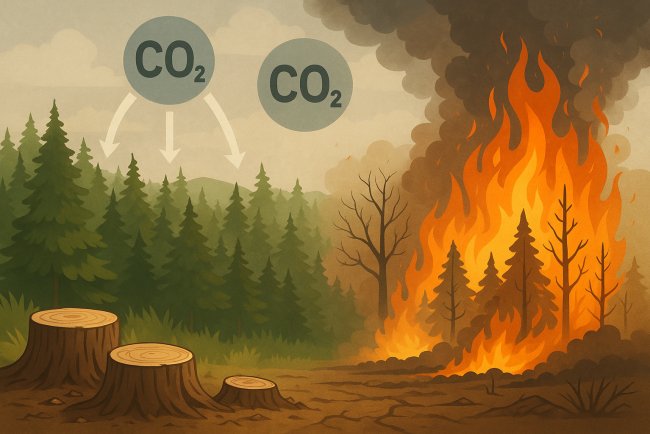
Over 300 Canadian wildlife species are now classified as endangered, and more than 600 are thought to be at danger of extinction. While the Monarch Butterfly loses the plants it needs for survival, species like the Woodland Caribou are suffering as wildfires and deforestation break up woodlands. Climate change is exacerbating these difficulties, bringing on new illnesses, driving more frequent fires, and making the habitat for plants and animals more inhospitable.
Human activity has increased the difficulties Canadas animals are already experiencing. Natural spaces have been swallowed up by mining operations, agricultural growth, road construction, and urbanization as well as by expanding cities. Drained wetlands, destroyed forests, and changed water systems abound. For some species, the consequences have been catastrophic and permanent. Overfishing caused, for instance, the decline of Atlantic cod stocks in the 1990s; they have not yet fully recovered. Likewise, a foreign sickness nearly wiped off the American Chestnut tree, which was once ubiquitous in some regions of Ontario.
Through bridging the gap between public involvement and scientific study, Blitz the Gap seeks to solve these problems. The approach to projects is straightforward but successful. Participants post to iNaturalist any wildlife they come across, from a bird in a city park to a wildflower on a country trail or an insect in a garden. The program aids in species identification; experts examine and verify the data. Every image goes into a big national database monitoring species' whereabouts and condition.
This knowledge goes beyond only gathering pictures. It can inform policy decisions, direct habitat protection initiatives, and shape conservation plans. Whether it's establishing new protected zones, restoring degraded ecosystems, or handling particular concerns to sensitive populations, precise location information enables researchers and government agencies to identify locations where intervention is required.
Especially given the scarcity of resources for conservation nowadays, the initiative is quite vital since it broadens the scope of data gathering much beyond what expert researchers could do on their own by means of involving people. Rural areas, urban neighborhoods, and isolated villages all have people who can provide insightful comments on the condition of regional ecosystems. This countrywide cooperation helps guarantee that biodiversity preservation is guided by a broad, correct picture of the state of the surroundings in the nation.
One of Blitz the Gap's assets is its accessibility. Participants only need curiosity and a readiness to interact with the surroundings; they do not require scientific knowledge or particular equipment. Whether capturing a butterfly on a Toronto balcony, seeing a seal off the coast of British Columbia, or recording an uncommon plant in the Prairies, every effort counts.
Canada urgently calls for such programs. Ecosystems are so linked that losing one species can start a chain reaction. Trees help clean the air, bees are important for food production, and wetlands control water flow and lower flood risks. Even one link in this chain going missing can hurt the whole system, which affects human health, food security, and resilience to climate change.
Engaging the public also helps to raise awareness about biodiversity loss. Many people often feel distant from environmental issues and see them as non-immediate problems. When community projects like “Blitz the Gap” have participants collecting species records for their area, it makes the issue of biodiversity loss more immediate, reminding community members that nature is part of everyday life and that collective effort is necessary to protect it. Watching and recording species reinforces awareness of Canada’s natural beauty and the importance of actively preserving it.
As participation continues to grow across provinces and territories, “Blitz the Gap” serves as an example of how science and community participation can be combined with a little hope. It demonstrates that complex environmental issues like biodiversity loss can be addressed through small practical actions taken by lots of people who contribute to a larger common interest. This way of not only supporting biodiversity protection enables Canadians to create a secure natural heritage for the future.
The project's success will rely on ongoing public participation as it progresses from the summer into early fall. Every recorded observation helps the dataset to grow, therefore giving researchers the resources they require to react to new hazards. Blitz the Gap shows that personal efforts—no matter how little—can have a big cumulative effect at a time when the degree of biodiversity loss can seem staggering.
What's Your Reaction?