Clay membranes developed by Stanford University are revolutionising lithium extraction from brine with 90% efficiency, reducing water use by 70% and cutting extraction time drastically. This breakthrough supports the rising demand for EV batteries, with India projected to need 100,000 tonnes of lithium annually. While ideal for India’s reserves in Jammu and Kashmir, scaling faces challenges such as high membrane costs, brine disposal risks, and infrastructure needs. If powered by renewable energy, this innovation could align with India’s net-zero goals—provided environmental safeguards and global partnerships are secured for sustainable growth.
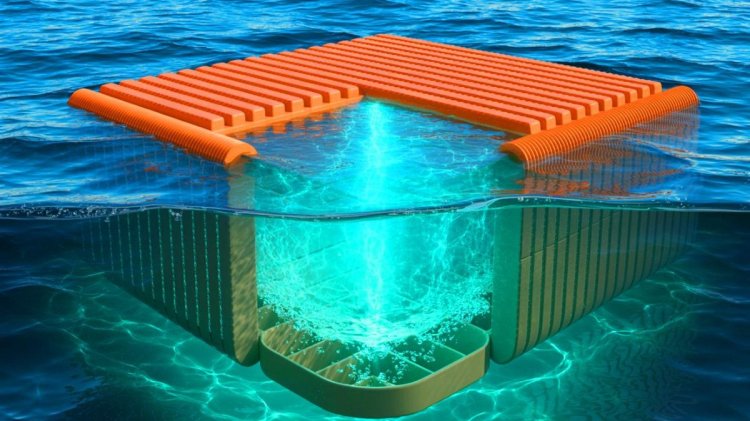
Innovative clay membranes are transforming lithium extraction from brine, offering a sustainable solution to meet soaring battery demand. This breakthrough supports the global energy transition but faces environmental and cost challenges.
Developed by Stanford University, these ceramic membranes extract lithium from low-concentration brines, like those in Nevada’s salt flats, with 90% efficiency. Traditional methods, using evaporation ponds, are water-intensive, consuming 15 tonnes of water per tonne of lithium. The membranes, costing $1,000 per square metre, filter lithium ions selectively, reducing water use by 70% and extraction time from months to days. Global lithium demand, driven by EV batteries, is projected to reach 2.4 million tonnes by 2030, with India needing 100,000 tonnes annually for its 30% EV target.
The technology could benefit India’s lithium reserves in Jammu and Kashmir, where exploration began in 2023. However, scaling requires $500 million in infrastructure, and brine disposal risks groundwater contamination if mismanaged. Posts on X praise the innovation but warn of ecological impacts without strict regulations. China, producing 65% of global lithium, dominates the market, posing competition for India’s nascent industry.
Critics argue that high membrane costs and energy-intensive production, relying on coal in some regions, undermine sustainability. India’s renewable energy growth, with 236 GW installed, could power cleaner extraction, but grid reliability remains a hurdle. Partnerships with global firms like Albemarle could accelerate adoption, though technology transfer costs are high.
Clay membranes offer a game-changing approach to lithium extraction, supporting India’s EV ambitions. Addressing costs and environmental risks is crucial for sustainable scaling.
Source: Sustainability Times
What's Your Reaction?