Climate Change Stokes Fears of Volcanic Eruptions
Climate change is melting ice caps and raising sea levels, destabilising magma reservoirs and potentially triggering volcanic eruptions. With only 30% of volcanoes globally monitored, experts link Iceland’s 2025 eruption to ice loss and warn that 10% of active volcanoes are coastal and vulnerable. India’s dormant volcanoes and strained disaster systems face risks, especially as monsoons intensify. AI-powered monitoring and community resilience programs may offer solutions. The emerging volcanic threat highlights climate change’s cascading effects and the need for urgent, systemic climate action and international cooperation.
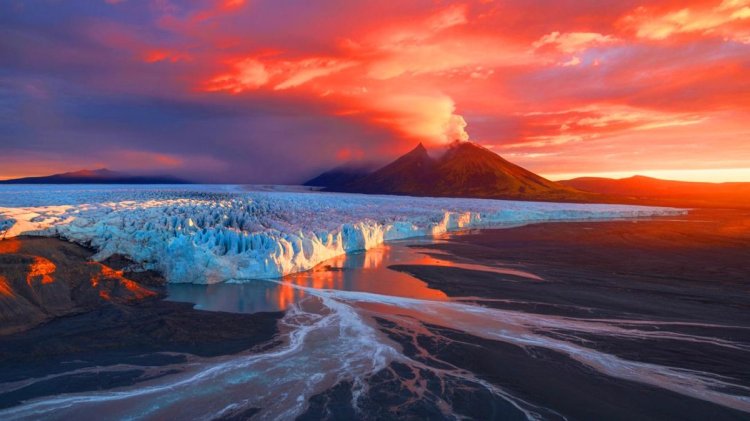
Scientists warn that climate change could awaken hundreds of dormant volcanoes, with melting ice and rising seas destabilising magma reservoirs. This emerging threat amplifies global climate risks, requiring urgent monitoring and preparedness.
Rising global temperatures, hitting record highs in 2024, are melting glaciers and ice caps, reducing pressure on volcanic systems and potentially triggering eruptions. Volcanologists note that magma reservoirs are sensitive to pressure changes, with Iceland’s 2025 eruption linked to ice loss. Sea level rise, up 3.7 mm annually, could further destabilise coastal volcanoes, impacting 10% of the world’s 1,500 active volcanoes. The Arctic, warming four times faster, faces heightened risks, as seen in Svalbard protests against high-emission activities. Posts on X express alarm over volcanic threats, with some questioning the focus on individual actions like Zuckerberg’s yacht.
India, with dormant volcanoes in the Andamans, could face risks as monsoons intensify, increasing landslide and eruption triggers. The 2024 IPCC report warns that a 1°C rise boosts extreme events by 30%, including volcanic activity. Monitoring systems, costing $500 million globally, are underfunded, with only 30% of volcanoes adequately tracked. India’s disaster management, strained by Jharkhand’s floods, needs upgrades to handle such threats.
Solutions like AI-driven seismic monitoring, as seen in India’s weather forecasting, could improve predictions. Community-led resilience, like Wular Lake’s revival, offers local models. However, critics argue that industrial emissions, not natural phenomena, drive 70% of climate risks, urging focus on systemic decarbonisation.
The volcanic threat underscores climate change’s far-reaching impacts. Global cooperation and investment in monitoring are critical to mitigate risks and ensure safety.
Source: Sustainability Times
What's Your Reaction?

















