


Experts warn that climate change is disrupting tea cultivation in Assam, threatening crop quality, production levels and the livelihoods of millions linked to the tea industry.
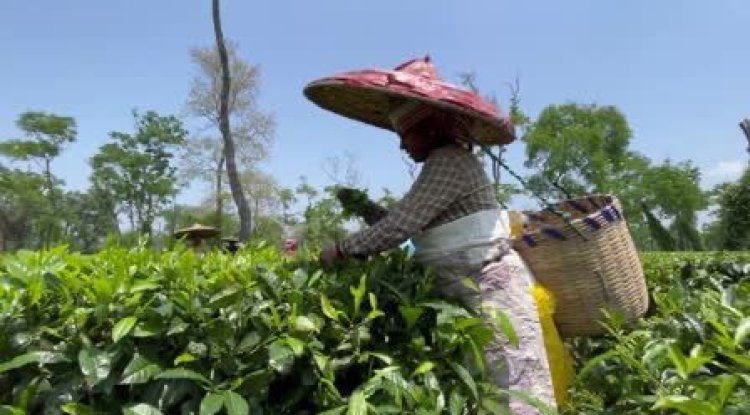
Long regarded as the backbone of Assam's economy and a symbol of its cultural identity, the state's tea industry is facing an existential threat from climate change, according to scientists and tea industry stakeholders. Speaking at separate events held in June, experts warned that changing weather patterns, rising temperatures and erratic rainfall are increasingly affecting tea production across the region.
The changing climate that tea farming relies on – with irregular rainfalls, longer dry and warm seasons – is disturbing the natural balance, say industry experts. These alterations are not only impacting crop yields, but also making these pests and fungal diseases more common as they are favoured by warmer and wetter weather.
Heavy rains followed by dry periods have helped to increase the variations in the onset of monsoon and intensities of the rain during recent years, which has been a concern for the planters to stress the tea bushes during critical growth stages. The climatic seasonality (CSA) will impact both quality (green leaves) as well as quantum of crop production, thereby threatening the internationally acclaimed unique flavour of Assam Tea and gain of competitiveness in export market.
A senior plantation manager said the tea plant was very sensitive to the environment in which it grows. Any minor variation in temperature and precipitation have adverse impact on the blooming process and leaf quality, creating a downward trend of Assam's quality tea production capacity from its present status of first in the world.
Climate changes have far-reaching implications on the Assam Tea industry because it directly affects millions of people in Assam who are involved in the tea sector, including smallholders, fieldworkers, factory workers and local businesses. The experts have sounded the alarm that if climate stress is not tackled through coordinated adaptation measures, its impact could be felt on the economic and social foundations in tea belt areas.
To mitigate the risks, science calls for sustainable investment in up scaled practices to cope with global climate changes including tea cultivars that are drought tolerant and better water management systems as well as the development of real-time climate advisory services to the planters. Better forecasts can assist producers in making decisions on the occurrence and nature of extreme events.
Policy interventions under consideration also involve incentives and access to finance for sustainable agricultural practices and support programmes to assist small-scale farmers in coping with climate stressors by government and industry bodies. However, protecting Assam tea's future depends on everyone working together the researchers, the government and the plantation workers combining their traditional knowledge with modern science to create a tea industry that is resilient to climate change.
What's Your Reaction?

















