The head of the UN climate body said COP31 will need to demonstrate that international cooperation on climate action remains effective amid geopolitical tensions and rising global temperatures.
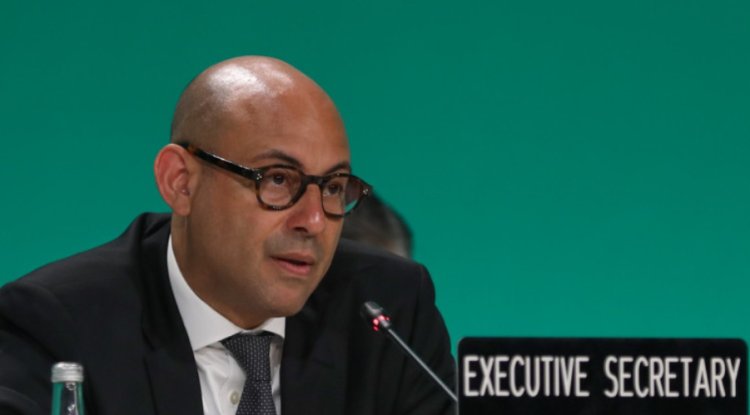
According to the UN's chief climate negotiator, the upcoming climate change talks in the United Nations, COP31, will determine whether international cooperation on climate change action is sustainable despite rising geopolitical and economic issues.
In preparation for the conference, the UNFCCC head noted that the negotiations would reveal whether the nations are still willing to act together on climate change, given the rise in temperature and the issues of energy security and climate finance, among others.
Disagreements have persisted regarding the rate of reducing emissions and providing climate financing to developing countries. The previous climate change negotiations showed differences in views among developed and developing countries on financing adaptation and transition to renewable energy, as well as losses and damages caused by climate change.
The UN climate agency has said that the current pledges made by the nations are inadequate to ensure climate change is controlled within the international targets. There have been repeated warnings by scientists and international organizations on the need for significant emission cuts by the nations.
Negotiations at COP31 will include matters relating to the implementation of previous decisions, such as the expansion of renewable energy, financing adaptation, and national climate policies.
According to the head of the UNFCCC, cooperation between nations is essential since climate disasters continue to impact the world in terms of the economy and the destruction of physical infrastructure. The increase in heatwaves, flooding, and droughts means that there is growing pressure to adapt while ensuring economic growth.
Climate finance is one of the key issues facing international talks. Several countries have accused more industrialized nations of not living up to their previous commitments in this regard.
The statements highlight the larger issue of the effectiveness of international organizations amid geopolitical conflict and trade tensions. Decisions within the UN climate process are agreed through consensus, meaning that they take considerable time to reach agreement with around 200 countries involved.
At COP31, there will be increased monitoring of the nations' emissions reduction goals and their plans for cutting down their reliance on fossil fuels. Security issues in relation to recent interruptions in the global supply chain have created obstacles in the negotiation process, with some nations making fossil fuel investments while increasing their renewable capacity.
According to the United Nations body in charge of climate change talks, future climate meetings should concentrate more on implementation than political commitments. COP31 could prove to be an indication of whether nations can continue with coordinated climate actions amid increasing international divisions.
What's Your Reaction?