Delhi Government to Revise EV Policy: Easing Deadlines and Capping Surge Pricing
Delhi plans to revise its EV and aggregator policy by extending timelines for bike taxis, capping surge pricing, enhancing subsidies, expanding charging infrastructure, and targeting a July 2025 rollout.This article explains Delhi's EV policy update: delayed EV adoption timelines for bike taxis, fare surge caps, targeted subsidies including women‑focused incentives, a charging grid plan, and a goal to generate 20,000 green‑sector jobs.
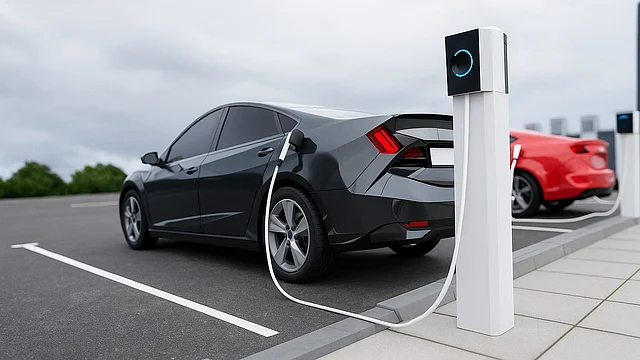
The Delhi government is preparing to revise its Electric Vehicle (EV) and delivery aggregator regulations, initially introduced in November 2023. The updated draft aims to extend the transition period for bike taxi operators and set a cap on surge pricing—moves driven by concerns raised by ride-hailing providers, gig workers, and commuters.
Policy Background
The current EV scheme, launched in August 2020 and later expanded to include delivery services in November 2023, mandates fleet operators—cabs, bike taxis, delivery, and logistics—to transition to electric vehicles. It also requires registration, licensing, structured grievance redressal, driver rating systems, and driver training
Concerns from Stakeholders
Stakeholders have highlighted practical and financial challenges. Immediate EV mandates, especially for bike taxis, are regarded as unviable due to the high cost of EV two-wheelers and limited charging infrastructure. They argue that a phased transition could make electric uptake more manageable .
Massage for Transition Timelines
Officials are considering relaxing the deadline for bike taxis to adopt EVs, aligning them with longer timelines granted to commercial two- and three-wheelers—four to five years This adjustment is intended to ease operational pressure on small operators.
Surge Pricing Controls
Regulators aim to introduce a cap on surge pricing via the transport department. This addresses the rising cost of on-demand services for passengers and reflects concerns shared by gig workers about unpredictable fare spikes .
EV Policy 2.0 Draft
Simultaneously, the transport department is crafting EV Policy 2.0, expected to be approved by July 2025. A 10-member expert committee is reviewing aspects such as charging infrastructure, battery recycling, CNG-to-EV transition, subsidies, last-mile connectivity, and gender-specific incentives
Subsidies and Phase-out Proposals
The draft includes incentives like general subsidies of ₹10,000/kWh for two-wheelers (capped at ₹30,000), scrappage incentives for ICE vehicles, and extra subsidies for women buyers—₹12,000/kWh up to ₹36,000 on the first 10,000 women beneficiaries
It also proposes ending registrations for petrol and CNG two-wheelers by August 15, 2026, and for petrol/diesel/CNG autos by August 2025. However, recent versions have removed binding deadlines for existing vehicles
Charging Infrastructure Push
The revised policy aims to expand fast-charging and battery-swapping stations every five kilometers along major routes, including flyover spots, and brand EV corridors. Delhi already has over 4,600 charging points and 250 battery-swap stations
Employment and Implementation Timeline
The government expects to create approximately 20,000 jobs through infrastructure expansion. The committee submits fortnightly progress reports, with a June–July rollout expected
Conclusion
Delhi’s policy revisions reflect a calibrated approach to EV transition. Relaxed mandates for bike taxis and capped surge pricing aim to balance eco-goals with ground-level realities. With updated subsidies, charging networks, and a structured implementation timeline, the strategy seeks to accelerate EV adoption while supporting stakeholders and expanding green infrastructure.
Source: Outlook Business
What's Your Reaction?