The IMD has issued an orange alert for Delhi-NCR as active monsoon conditions bring heavy rainfall across the region. Neighbouring states, including Uttar Pradesh and Himachal Pradesh, are also experiencing severe weather, with warnings for flooding, landslides and travel disruptions.
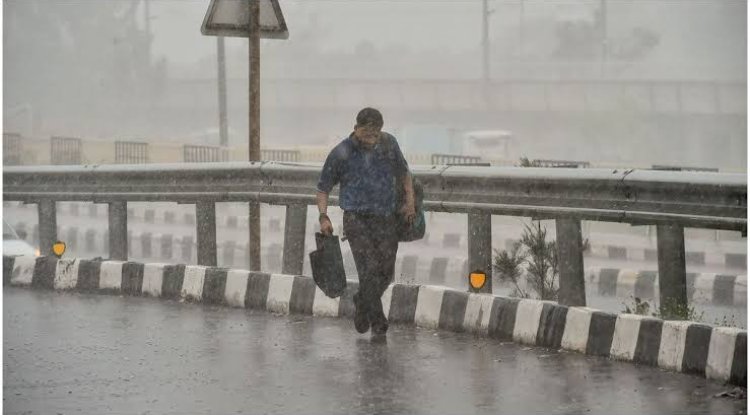
Delhi-NCR remained under an orange alert on July 11, 2026, as the India Meteorological Department (IMD) forecast heavy rainfall across the National Capital Region amid an active southwest monsoon. The weather department warned that strengthening weather systems over North India could trigger intense showers, waterlogging and traffic disruptions in Delhi, Noida, Gurugram and surrounding areas. Residents have been advised to exercise caution while travelling as rainfall activity is expected to continue through the weekend.
The IMD said the changing weather is linked to the southwest monsoon, which has now advanced across the entire country, including the northern Arabian Sea, Rajasthan, Haryana and Punjab. The widespread monsoon coverage has intensified weather activity over northern India, creating favourable conditions for heavy localised rainfall.
Although the morning remained relatively dry and cooler than previous days, forecasters said atmospheric conditions remain unstable. According to local forecasts, Noida is expected to record a maximum temperature of around 35 degrees Celsius and a minimum of 25 degrees Celsius. In Gurugram, temperatures are likely to remain between 27 and 28 degrees Celsius. Despite the moderate temperatures, sufficient moisture and unstable atmospheric conditions are expected to support further cloud formation and rainfall.
The active monsoon system is also affecting neighbouring states. The IMD has issued a red alert for several districts in western and northern Uttar Pradesh, including Muzaffarnagar, Bijnor, Moradabad and Bareilly, where heavy to prolonged rainfall is expected. Authorities have warned that continuous rainfall may strain local drainage systems and increase the risk of flooding in low-lying areas.
Orange alerts remain in effect for Bulandshahr, Saharanpur, and Hapur. In Himachal Pradesh, persistent rainfall has disrupted normal life, leading to the closure of schools and Anganwadi centres in Solan and Sirmaur districts because of the threat of flash floods and landslides. Heavy thunderstorms have also been reported in parts of Assam, where local authorities have issued weather advisories for residents.
According to the IMD, rainfall is expected to continue on July 11 with intermittent breaks. While the intensity of rainfall may gradually reduce towards the end of the weekend, weather officials have advised residents not to lower their guard, as localised heavy showers may still occur.
Transport authorities have urged commuters to monitor traffic conditions before leaving home, particularly in Delhi, Noida and Gurugram, where waterlogging frequently disrupts movement during periods of heavy rain. Low-lying roads and underpasses remain vulnerable to flooding, which can lead to traffic congestion and delays.
The current weather pattern reflects the active phase of the southwest monsoon, which typically brings widespread rainfall across northern India during this period. While some parts of western India, including Maharashtra, have seen rain warnings downgraded to yellow alerts, the northern plains are expected to remain under the influence of active monsoon conditions over the next 24 to 48 hours.
Residents have been advised to stay updated through official IMD forecasts and local administration advisories, avoid waterlogged areas where possible, and plan travel according to prevailing weather and traffic conditions.
What's Your Reaction?