East Midlands Airport transitions its fleet of over 60 vehicles to renewable HVO fuel, cutting emissions by up to 90% in support of MAG’s 2038 net-zero goal.
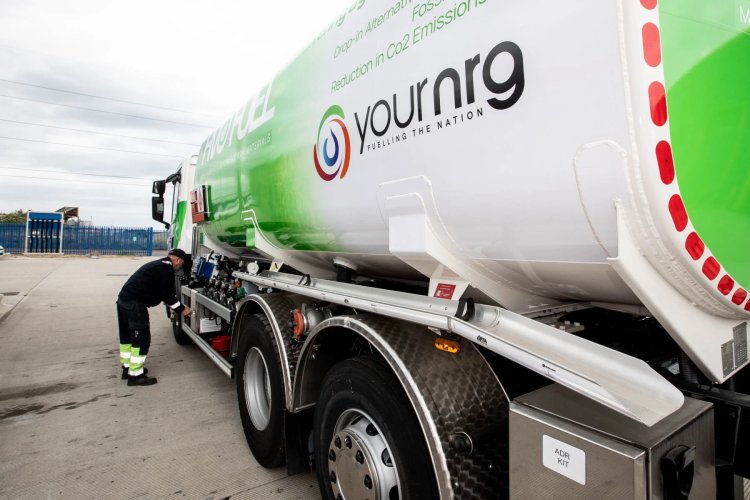
The UK's East Midlands Airport has converted its fleet of over 60 in-service vehicles to run on renewable fuel, a milestone on its road to decarbonisation. The move was launched on World Environment Day and is part of the Manchester Airports Group (MAG) wider commitment to sustainability, targeting net-zero carbon operations at its three airports—Manchester, London Stansted, and East Midlands—by 2038.
The conversion involves all ground operational vehicles like airfield and security cars, fire engines, and snowploughs. The vehicles are at present running on hydrogenated vegetable oil (HVO), a renewable diesel substitute produced from waste vegetable oils and animal fat. The fuel is hydrogenated to produce a cleaner-burning substitute for regular diesel. As per sustainability data, HVO usage has the potential to decrease the carbon footprint by as much as 90% over the vehicle's lifespan compared to fossil diesel.
The airport collaborated with YourNRG, a biodiesel supplier, to bring this about. The new fuel reduces carbon dioxide emissions but also reduces the emission of toxic particulates, thus being kinder to the ecosystem and human health. The HVO utilized is biodegradable and can be used throughout the year without adjustments to the current engines, therefore a seamless integration into the operations of the airport.
East Midlands Airport has been carbon neutral since 2012 and became the first UK airport to achieve Airport Carbon Accreditation. It has been involved in a string of sustainability initiatives over the years, from the addition of on-airport wind turbines to providing renewable energy and fitting electric car charging points. That transition to HVO extends those efforts with coverage of mobile emission sources, remaining consistent with changing expectations of airport sustainability and overall climate obligations.
The use of HVO in heavy-duty airport equipment like snowplows and fire engines demonstrates the reliability of the fuel even under tough operation conditions. Airports typically find it difficult to decarbonise ground equipment due to performance needs, especially during emergency conditions or under extreme weather conditions. The ability to maintain the performance of operation while cutting emissions is a critical aspect of this transition.
MAG's overall strategy is to decarbonise airport operations without impacting safety and efficiency. In moving to low-emission fuels, East Midlands Airport is a part of this roadmap that can be used as an example for other UK and European airports or transport hubs.
Renewable fuels such as HVO are gaining traction as a decarbonisation bridge, particularly where electrification remains too distant or uneconomical. For road transport and air freight logistics, biofuels are a scalable and near-term solution to decrease emissions on in-service fleets. In contrast to electric vehicle adoption, renewable fuels are easier to scale more rapidly and with reduced operational disruption.
This progress also aligns the UK's national climate ambitions with greenhouse gas reduction targets from transport. With mounting pressure on companies to solve the issue of emissions at all levels, airports must set an example because they have a significant stake and influence in supply chains and networks of movement.
In addition to the vehicles, the airport is also working on looking at its more general energy consumption and emission sources. Renewable technology, efficiency improvements, and supplier participation are continuous aspects of the strategy to achieve net-zero status. Installation of HVO into day-to-day activities is yet another key mechanism in controlling Scope 1 emissions, which are the emissions caused by combustion of fuels in owned or controlled sources.
The initiative also enables possible synergies within the aviation industry, particularly with ground handlers, service operators, and logistic partners having on-airport operations. The greater the number of players implementing similar measures, the cumulative effect will end up changing the environmental trace of airport environments.
Recovering fuel from waste oils and fats also enforces circular economy principles by ensuring that other industries' by-products get reused and revalued. Such closed-loop consumption is increasingly pertinent in sustainable infrastructure and corporate ESG reporting.
East Midlands Airport will track and report on the environmental benefits of this transition as part of future sustainability reporting. The change is intended to act as a pilot for the future transition to renewable fuels at other MAG airports and influence future policy at the national or EU level on sustainable airport operation.
With aggressive substitution of fossil fuels with cleaner options, the airport illustrates the potential for technical fuel switching to make a significant contribution to climate objectives, particularly for high-emitting industries like aviation and logistics.
Source: East Midlands Airport
What's Your Reaction?