EPBP introduces a Circularity Test Protocol to assess multi-loop recyclability of PET bottles, helping industry align with EU packaging sustainability and circular economy regulations.
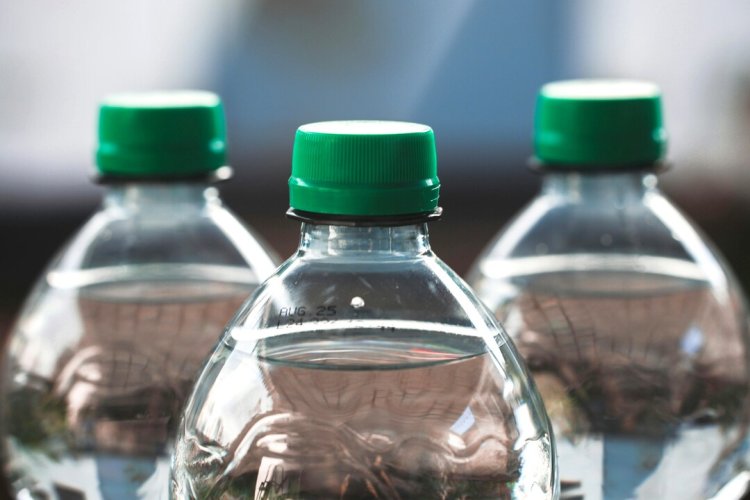
European PET Bottle Platform (EPBP) unveiled a new Circularity Test Protocol to improve the efficiency of recycling polyethylene terephthalate (PET) bottles through multiple cycles of reuse. The sector-led Brussels-based platform is looking to help the packaging industry meet the European Union's increasing demand for recycling and sustainability.
Circularity Test Protocol adds to Robeco's current Design for Recyclability Protocol an introduction of simulation of multi-loop recycling — a loop where PET bottles go through successive cycles of collection, processing, and remanufacturing. The goal is to test that bottles can be recycled not only once, but really several hundred times without the quality of design materials significantly deteriorating.
With this new procedure, EPBP reaffirms its commitment to circular packaging innovation with genuine circularity," said Antoon Spiessens, co-chair of EPBP and UNESDA representative.
With mounting development in EU packaging as well as packaging waste regulation, including requirements of PPWR, industry players are being subjected to growing pressure to demonstrate that their products are capable of delivering high circularity. The test protocol is structured to assist industry players in assessing PET bottle performance over time and making design choice optimization in relation.
Circularity, as enshrined in EU policy regulation, is geared towards extending the lifespan of materials, minimizing waste, and ensuring that resources are utilized effectively through reuse. While recyclability ensures that a material can be recycled, circularity estimates how much a material performs after several recycling loops, thus claiming long-term sustainability.
This protocol gives stakeholders in the industry a good basis to measure and optimize PET bottle circularity at the R&D stage," said John McClelland, co-chair of EPBP and spokesperson for PETCORE EUROPE. "It's from a 'can it be recycled?' to a 'how many times can it be recycled efficiently?'
The initiative addresses an escalating demand for high-performance recycled PET (rPET) throughout Europe and the food and beverage sector specifically. Brands are increasingly looking for packaging that not only is recyclable but also maintains performance through multiple recycling cycles in order to achieve EU recyclate content targets.
Under a transition period to begin with, EPBP will provide testing services for recyclability as well as circularity. It is to support companies in balancing their research and development operations with the changed expectations while providing continuity within existing testing regimes. The company, however, calls for an early takeoff into the new protocol as products that pass tests of recyclability may not pass tests of circularity.
Design-for-circularity advice will be available in the near future. These will be end-to-end technical advice to value chain stakeholders like bottle design, label selection, adhesives, and other material options that impact the performance of bottles in closed-loop recycling operations.
EPBP has headed industry guidelines since more than 17 years. Its objective is to provide assurance that PET bottle development is in harmony with circular economy, and new technologies introduced into the marketplace should help and not hinder recyclability and sustainability efforts.
The group is also a technical interface to CEN, the European Committee for Standardisation, and contributes to developing industry standards as well as the frameworks of regulation. By engaging with critical stakeholders in the PET packaging value chain, EPBP assumes a central position in technical best practice establishment as well as knowledge sharing.
The transition from recyclability to circularity is a paradigm change in measurement of packaging sustainability. EPBP explains that this method provides a more integrated view of packaging material long-term environmental performance, allowing stakeholders to make better decisions that are more in line with climate and waste reduction objectives.
As the European region increasingly moves towards circular economy action, e.g., minimum recycled content requirements and more producer responsibility, multi-loop PET recycling facilities will become commonplace. EPBP's Test Protocol for Circularity provides packaging creators with a methodical way to responsibly innovate and be ahead of the game on regulation.
What's Your Reaction?