ESG Drives Sustainable Water Management in Pakistan
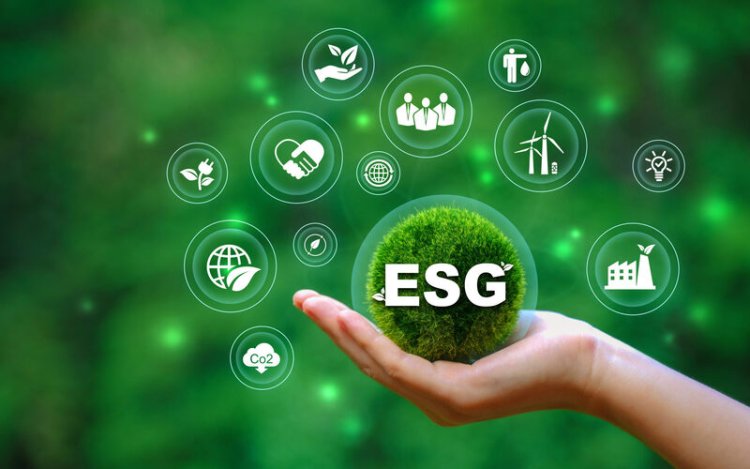
ESG Driving Water Sustainability in Pakistan
Water management has become one of the areas that are highly on the concerns of Pakistan with rising water scarcity and pollution. Now, the environmental, social, and governance factors are what drives how the organization manages such issues. Organizations within the public and private sectors have started to take responsibility over proper usage and water conservation.
The country is highly reliant on its water supply for agriculture and industry, and general use of water daily, and the country also suffers from extreme water shortage complemented by climate, population, and mismanagement activities. The Pakistan Council of Research in Water Resources stated that the country has witnessed the worst degradation of available water resources during the last several decades, and if the severe situation continues without a drastic measure, Pakistan would be facing the situation of serious water deficit by 2030.
This has now become a severe challenge that's pushing more and more companies, as well as government institutions, to adopt ESG-based policies. ESG best practices emphasize the need for organizations to absorb sustainable and responsible practices into their operations, like adopting water-saving technologies, the reduction of water pollution, and improvement in the management of water across sectors.
Most of the private sector companies, especially those in manufacturing, agriculture, and textiles, now implement ESG-based water management approaches. Most firms embrace water-saving processes, reuse wastewater, and reduce their consumption of water through newer technologies. By doing this, such firms decrease their negative impacts on the environment and, at the same time, lower the cost of their operations bottom line because this also reduces operational expenses on the usage of water.
Government policies also support the engagement of ESG in water management. The Pakistani government has launched several initiatives to improve the use efficiency of water and the management of available water resources. For example, the Pakistan Water Strategy 2018-2025, spearheaded by the government, is focused on strengthening conservation measures for water, building more reservoirs, and enhancing irrigation techniques for agriculture. These government programs are also aligned with ESG-led initiatives in the private sector.
Another important feature of the industrial sector of Pakistan is water management, particularly in textile production, which is one of the country's largest industries. For long, the textile sector has been criticized for excessive water usage and waste generation. Many factories are releasing untreated wastewater into rivers and streams. In recent years, however, this industry has adopted a change of direction to utilizing water sustainably. Many textile manufacturing companies are investing in water treatment plants, embracing water-saving technologies, and working together with local communities toward improving the quality of water.
Today, organizations consider their social responsibility and governance aspect of ESG to ensure that the water management practices are just, transparent, and efficient for the local communities. Many organizations have engaged NGOs and local authorities to provide infrastructure for water in rural villages to enhance access to clean drinking water, among other educations for the communities on water conservation.
Moreover, digital technologies make it easier to apply water better in Pakistan. Real-time monitoring of water consumption through devices and smart sensors deployed helps develop better management policies for water utilization by agriculture and industries and urban cities. Reporting and tracking facilities are also enhanced through digital media to make utilization of water sources transparent and responsible.
Therefore, ESG-driven water management practice reduces environmental impacts and sustains long-term growth of Pakistan. In business models and government policies, sustainable water practices are very crucial in sustaining the economy and bettering the living conditions for citizens of Pakistan. Another is in achieving global efficiency in accomplishing its international sustainability goals or, in general, the United Nations' Sustainable Development Goal 6: ensuring everyone has access to water and sanitation.
Conclusion:With the ever-growing popularity of ESG practices, there is hope in a mix of public, private, and community initiatives to manage this country's water management so that it might alleviate its plight. Pakistan could be a prototype for other countries who face the same issues regarding water supply. More business should be expected in the coming years to shift its water management towards ESG drivers, while simultaneously the government would continue to prod on reforms and water infrastructure investments that are critical to ensuring that Pakistan's resources are managed in the most sustainable way and in equitable manners for future generations.
Source: The content is based on ongoing initiatives and reports by the Pakistani government and businesses in the water management sector,
What's Your Reaction?

















