EV Sales Surge Past 20 Million, Dominating Global Market
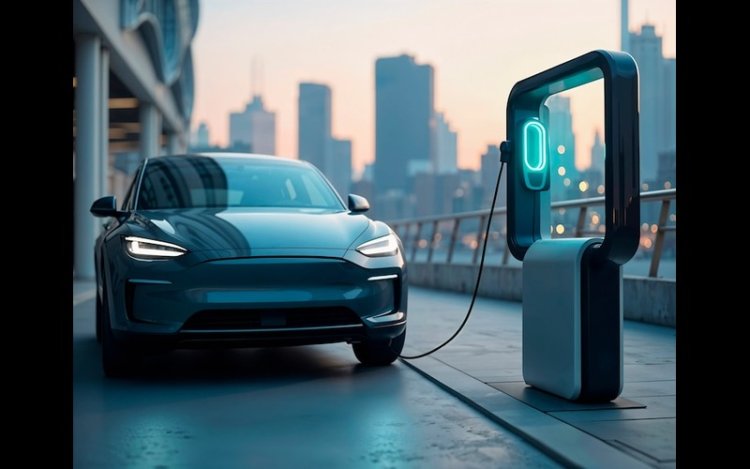
The electric vehicle (EV) industry is charging forward, with worldwide sales forecast to top 20 million units by 2025, accounting for over 25% of new car sales. This benchmark highlights a fast and consistent transition toward cleaner transport, the IEA's latest Global EV Outlook indicates, with the EV market setting records in 2024 and with no signs of abating even amid economic uncertainties.
Fatih Birol, the IEA's Executive Director, highlighted the momentum and resilience of the EV market, saying, "Despite huge uncertainties, electric cars are on a solid growth path worldwide. Sales keep breaking records, with huge implications for the global auto industry."
More than 17 million electric vehicles were sold in 2024 alone, marking the first time sales exceeded 20% of all car sales. Momentum continued into early 2025, with sales increasing 35% year-over-year. The trend will drive EVs to over a quarter of all new cars sold worldwide by the end of 2025 and perhaps more than 40% of the market by 2030.
China remains the unchallenged leader in both consumption and production. In 2024, close to half of all the EVs sold worldwide were in China, which sold more than 11 million electric cars—roughly the world's entire EV sales two years ago. China also shipped 1.25 million EVs in 2024 to many emerging economies in Asia and Latin America. These markets are emerging as hotspots for EV expansion, with combined sales rising by over 60% in 2024, an indication of better affordability and infrastructure.
The United States also saw positive momentum, with EV sales increasing by 10% over the prior year. Electric vehicles now represent over 10% of all car sales in the U.S. In contrast, the European market remained stable, with a 20% share, despite government subsidies for EVs starting to reduce. These numbers indicate a wider global convergence towards electrification, albeit at different speeds based on local economic conditions and policy environments.
One of the most powerful drivers for the use of EVs around the world is affordability. Electric vehicles are growing more price-competitive with internal combustion engine vehicles not just in the purchase price—particularly in China—but also in operating costs. Indeed, two-thirds of EVs sold in China were sold at a price below similar gasoline-powered equivalent models even without the support of government incentives. This affordability is combined with lower maintenance and fuel costs and is propelling EVs as a viable choice for buyers, especially in markets where there is energy infrastructure supporting residential charging.
Battery prices declined worldwide in 2024, aided by manufacturing improvements and rising market competition. The lower costs translated into more affordable EV offerings. Price differentials still persist in more developed auto markets, however. In the United States, battery-based EVs continue to be some 30% pricier than their fuel-powered counterparts, and in Germany, it's about 20%. In contrast, despite those variations, an EV continues to be more affordable to operate. For example, even with a decline in the price of oil to $40 per barrel, charging an EV at home within Europe costs approximately half the amount of filling a conventional car with fuel.
The expansion of EVs is not reserved for cars alone. The commercial market is also undergoing change, specifically in electric trucks. In 2024, worldwide sales of electric trucks jumped by 80%, currently standing at 2% of truck sales. China once more dominates this sector, and in some heavy-duty truck markets, EVs are already cost-competitive with diesel trucks based on significantly reduced operating and servicing costs.
As electric transport keeps making a rapid rise, the IEA alerts that attention will soon have to turn to maintaining supply chain resilience and increasing industrial competitiveness. The changing needs of the transportation industry—everything from battery raw material sourcing to grid integration and recycling—will require strategic thinking. To tackle these challenges, the IEA is developing a comprehensive report due out in the summer of 2025.
For automakers, policymakers, and investors, the message is clear: the EV transition is no longer a vision of the future but a reality in the present. The industry needs to be capable enough to adapt quickly in response to shifting consumer tastes, technology, and policy changes. To quote Fatih Birol, "The EV revolution is not just coming—it's already underway."
What's Your Reaction?