A Nature study finds that some regions could experience severe droughts, floods, and wildfire conditions even if global warming is limited to 2°C.
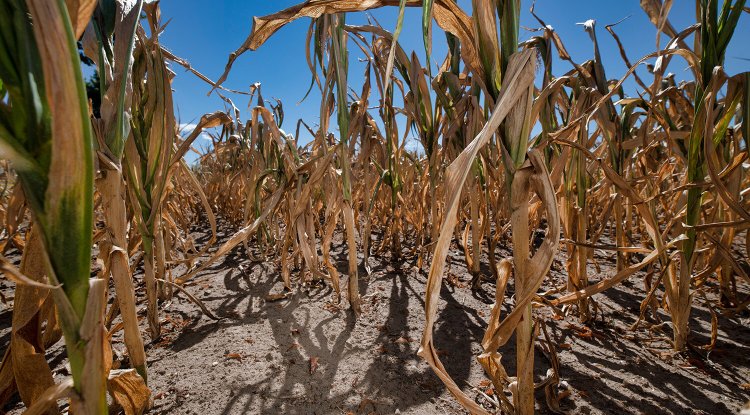
Global warming of 2 degrees Celsius might not be enough to prevent certain parts of the world from exposure to extreme weather conditions, according to the study published in Nature. It is shown that some parts of the planet could face the risk of drought, increased precipitation, and a climate conducive to forest fires even with warming up to the level considered a crucial international goal.
To evaluate risks of heavy rains in populated areas, drought in agricultural lands, and favorable weather for forest fires, scientists evaluated the projections of 42 climate models. Contrary to averaging these projections, the researchers focused on differences between the models.
The widest differences appeared in agricultural regions. Some models projected only small changes in drought, while others estimated drought frequency could rise by more than 50%. In 10 of the 42 models, drought projections at 2°C were higher than the average drought projected under a 4°C warming scenario.
The same trend appeared in projections for heavy rainfall and wildfire weather. Several models estimated stronger impacts at 2°C than the average expected under 3°C warming, suggesting that regional climate risks do not always increase in a uniform pattern.
Much of this variation stems from differences in how climate models respond to warming, rather than from natural swings in the climate. As a result, some places could face much harsher conditions than global averages alone would suggest.
The findings also raise questions about how climate risks are assessed. Planning for agriculture, water supplies, and disaster preparedness often relies on average projections, but those averages can mask less common outcomes that carry far greater consequences.
The analysis does not suggest that limiting warming to 2°C offers the same level of risk as 3°C or 4°C. Higher global temperatures still lead to greater overall impacts. However, it shows that severe regional outcomes remain possible even if the global temperature goal is achieved.
The authors argue that adaptation planning should account for the full range of climate projections rather than depending only on average estimates, particularly in regions where drought, flooding and wildfire already threaten lives, infrastructure and food production.
What's Your Reaction?