India is accelerating its bio-energy ambitions through policy reforms, Sustainable Aviation Fuel production and international partnerships to become a major global exporter of green fuels.
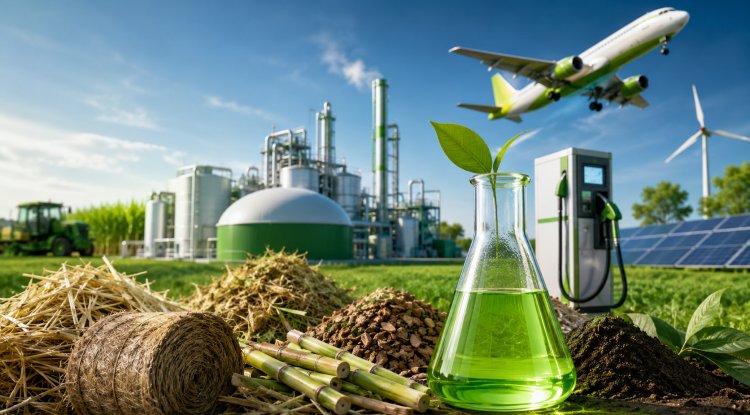
The world of clean energy is quickly moving beyond traditional models, and a new competitive arena centred on agricultural innovation is emerging. On the sidelines of the India Bio-Energy Conference 2026, a formidable group of industrial leaders, public policy experts and environmental scientists unveiled a far-reaching plan. Their vision is to make India an undisputed global leader in organic fuel exports. According to an extensive analysis by The Economic Times, the domestic industry is urging the federal government to mobilise substantial investment capital, establish a unified regulatory body and introduce stringent Sustainable Aviation Fuel (SAF) mandates. The coordinated strategy is clearly aimed at securing a multi-billion-dollar share of the global green energy market.
The main driver behind this new industrial push is India's growing credibility on the global stage. The country has demonstrated its ability to rapidly scale up green technologies through the launch of the Global Bio-Fuel Alliance during its high-profile G20 Presidency and by promoting carbon circularity and energy self-reliance. However, industry executives at the conference cautioned that the next phase of large-scale commercial expansion will depend on overcoming regulatory bottlenecks and streamlining approval processes.
Currently, responsibility for the bio-energy sector is fragmented across multiple ministries, including the Ministry of Agriculture, the Ministry of Petroleum and Natural Gas, the Ministry of New and Renewable Energy, and the Ministry of Finance. To address this issue, industry stakeholders are calling for the establishment of a unified central department that would serve as a single point of coordination for project financing, environmental clearances and feedstock logistics.
One of the key elements of the proposed bio-energy overhaul is the implementation of state-specific, data-driven agricultural resource missions. Developers are advocating detailed assessments of agricultural residues, stubble and organic waste generation across every district, rather than relying on a one-size-fits-all national approach. Accurate resource assessments would enable private companies to establish processing facilities closer to feedstock sources, improving efficiency and reducing transportation costs.
This localised model could help overcome the logistical and storage challenges that have long hindered large-scale biofuel development, while also creating thousands of stable green jobs across rural farming communities.
The greatest economic potential of this strategy lies in the international aviation sector, although domestic fuel blending will continue to play an important role. As airlines face increasingly stringent emissions-reduction requirements, the Sustainable Aviation Fuel (SAF) market is rapidly emerging as a major commercial opportunity. India is estimated to have significant SAF export potential over the next decade and could account for 5–7 per cent of global SAF production, representing a market opportunity worth USD 15–20 billion annually.
State-owned energy companies are already taking steps to capitalise on this opportunity. Indian Oil is developing India's first SAF production facility in Panipat, which is expected to support future blending mandates and strengthen the country's position in the emerging global SAF market.
Moreover, the clean energy transition is attracting significant interest from advanced international technology partners. Recent high-level engagements between India and the Netherlands have helped strengthen cooperation between the Indian energy sector and leading Dutch research institutions. Laboratory innovations are increasingly being commercialised through large-scale production facilities, with Indian companies working in collaboration with international engineering firms.
These projects range from advanced compressed biogas systems and second-generation ethanol plants to technologies that convert biomass into green hydrogen and bio-based chemicals, which can replace conventional industrial feedstocks across a range of industries.
These commercial discussions have gained renewed urgency due to ongoing geopolitical uncertainties in major oil-producing regions. At the summit, officials from NITI Aayog and national energy agencies stressed the need to view agricultural waste as a valuable energy resource and strategic feedstock. They argued that expanding the bio-energy sector could strengthen India's energy security and reduce its exposure to global energy market disruptions.
Utilising the agricultural waste in the production of biofuels will help the nation curb the practice of burning crop residues seasonally and enhance air quality in cities while simultaneously minimising the importation of crude oil. Overall
In the coming months, with the finalisation of the country's SAF roadmap, coupled with improvements to financing clean energy projects, the bio-energy plan for the country could increasingly serve as an example for international climate change efforts in the fields of aviation and marine transportation. It will show how an effective agricultural sector is capable of driving technological innovation for a sustainable future in transportation.
What's Your Reaction?